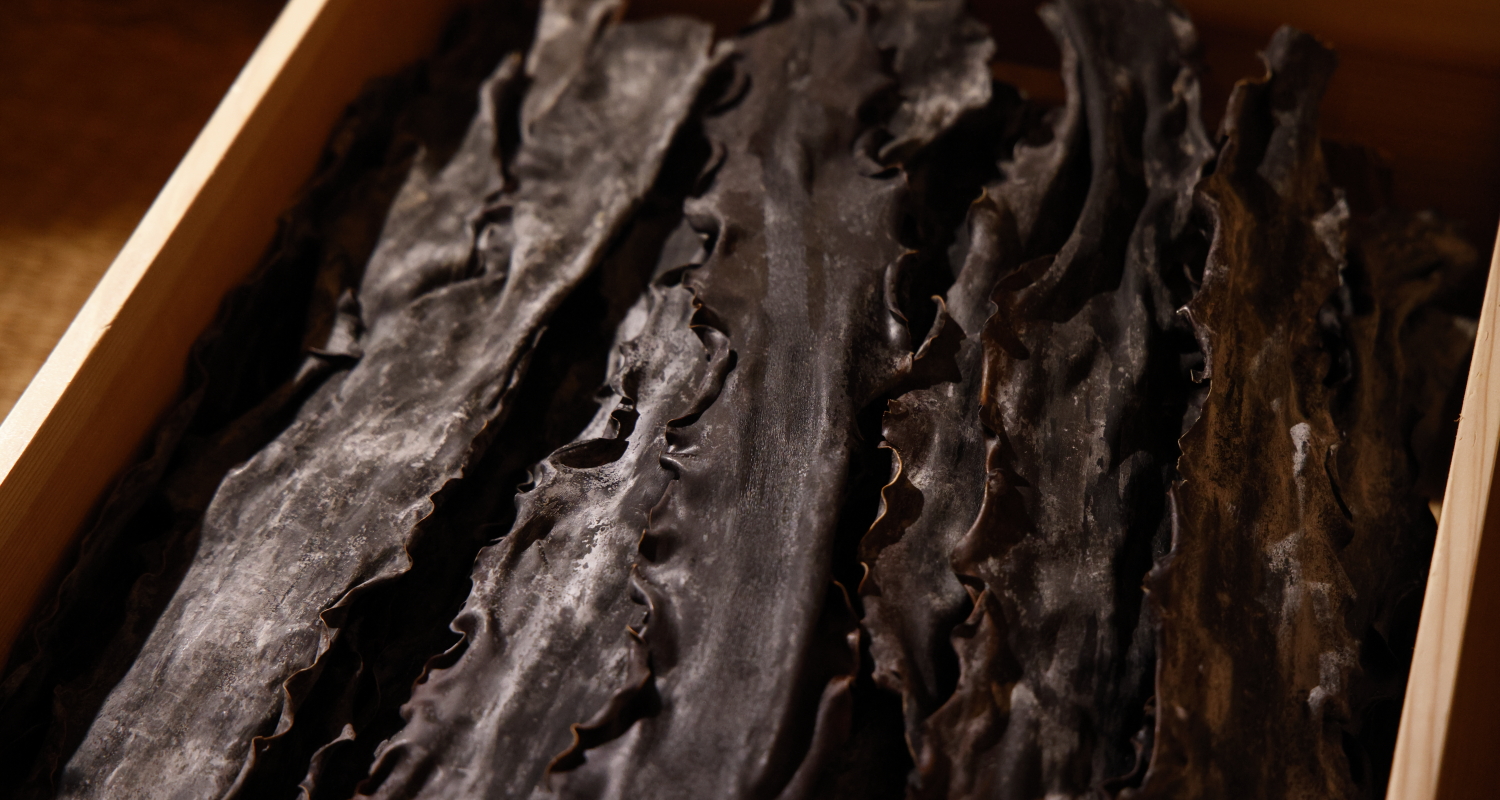
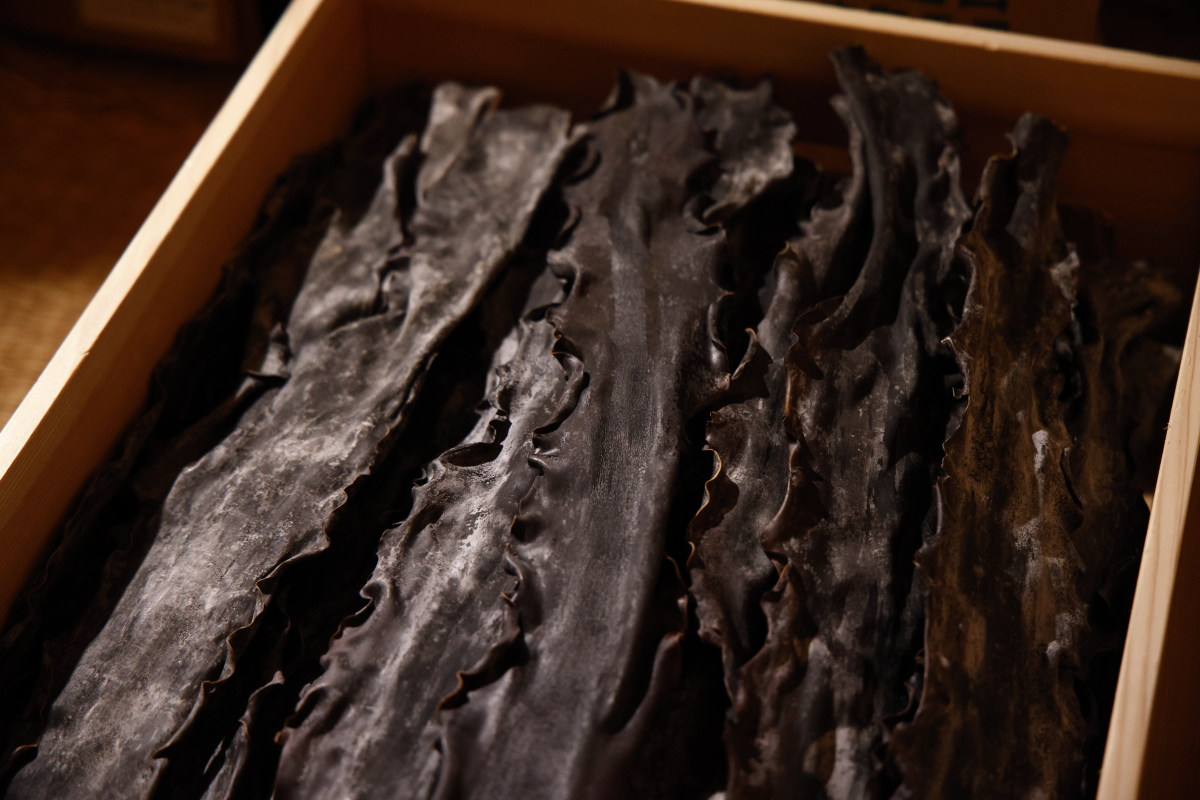
The clear umami flavor that spreads when you take a sip of soup. The deep, natural flavor of the ingredients themselves that you feel when you cook vegetables. At the heart of the deliciousness of Japanese cuisine lies "dashi," and within it lies "umami." One of the ingredients that creates this is kelp.
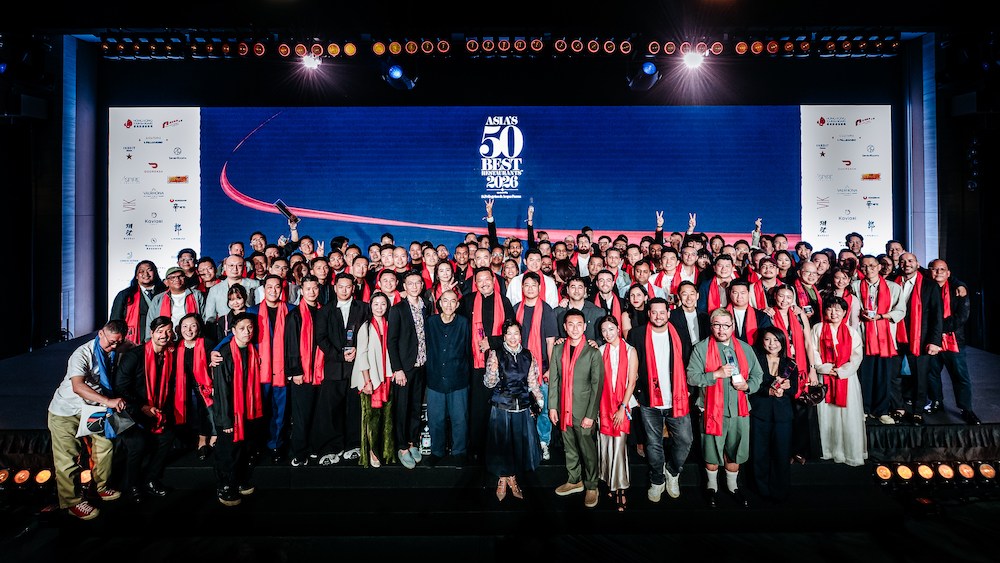
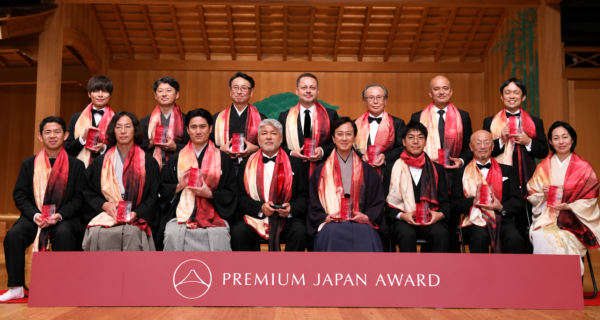
In recent years, due to rising sea temperatures and coastal barrenness, we have increasingly heard reports that "kelp cannot be harvested" and "high-quality natural kelp is becoming scarce." Kelp, an indispensable ingredient in Japanese cuisine, does not overpower other flavors in dishes, but rather enhances the natural taste of other ingredients and refines the overall flavor profile. Okui Kaiseido, a kelp specialist that supplies kelp to many chefs and also protects Japanese food culture, is led by President Takashi Okui, who wants to share Japan's "dashi culture" with the world. He gives lectures in various countries and is dedicated to promoting Japanese food culture. These activities have been recognized, and the company received the "PREMIUM JAPAN AWARD 2026."
From Hokkaido to Tsuruga: The "Sea Route" that kelp traveled.
Since its founding in 1871, Okui Kaiseido has been dealing in kelp for over 150 years, supplying high-quality dashi kelp to monasteries throughout Japan, including the head temple Eiheiji, and to chefs mainly in Kyoto. It is a kelp merchant so well-known in the culinary world that virtually everyone knows them.
Speaking with the fourth-generation president, Takashi Okui, revealed the connection between kelp and Japanese food culture, as well as the efforts that have been made to make the kelp delicious even after harvesting.
When people hear that there are kelp merchants in Tsuruga, Fukui Prefecture, they sometimes say, "Tsuruga must produce good quality kelp." However, approximately 95% of Japan's domestic kelp production comes from Hokkaido.
Most kelp is grown in Hokkaido, so why did kelp trading take root in Tsuruga? While kelp is harvested far away in Hokkaido, the Kansai region, centered around Kyoto and Osaka, was once a major consumer of kelp. In an era when transportation networks were not as developed as they are today, transporting large quantities of kelp from Hokkaido, over a thousand kilometers away, to Kansai was a huge undertaking.
The Tohoku coast, in particular, faces harsh weather conditions, making sea travel difficult. Therefore, trade routes developed along the relatively calm Sea of Japan. At that time, Tsuruga Port became an important unloading port for Kitamae ships from Hokkaido, which carried goods such as kelp and herring.
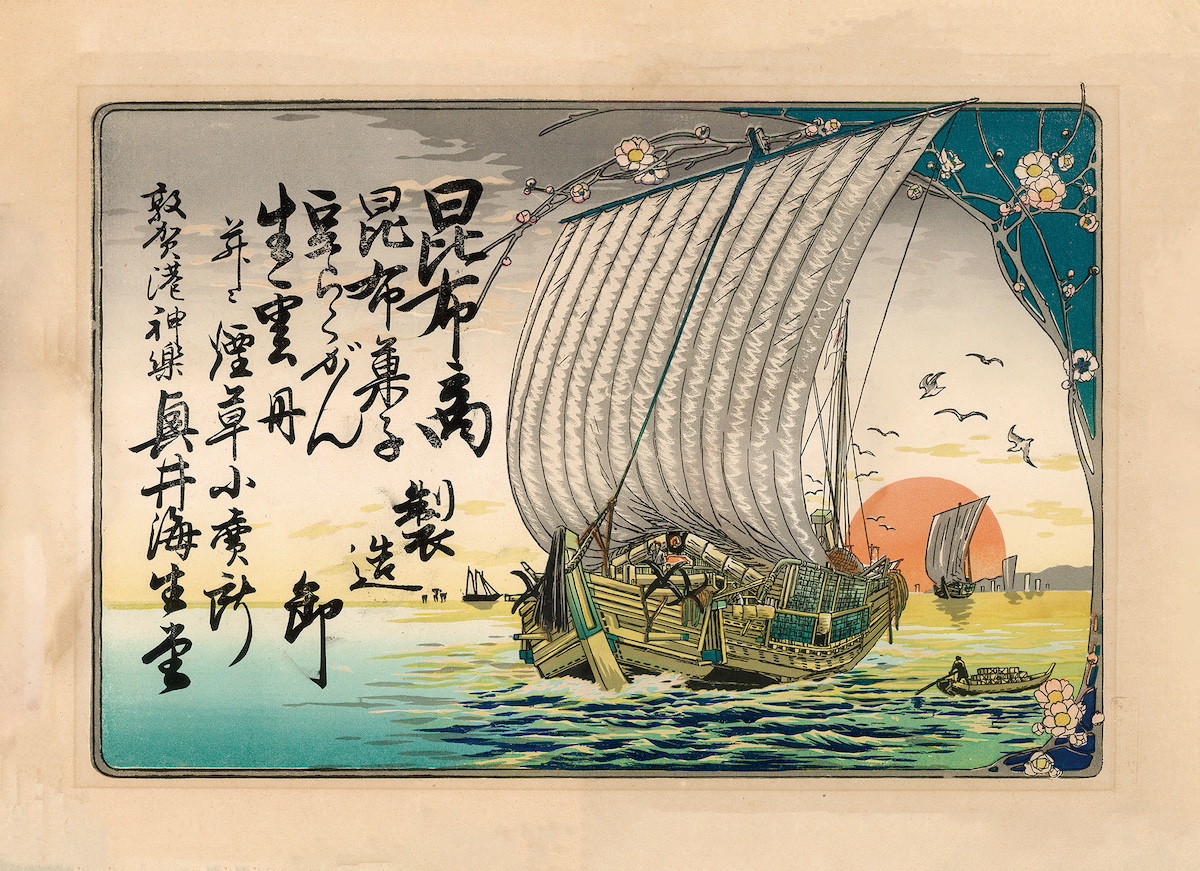
A flyer from Okui Kaiseido. A flyer is the equivalent of a modern-day leaflet advertisement, and it is believed to have been distributed at ports of call for Kitamae ships.
Furthermore, Lake Biwa lies behind Tsuruga. Goods unloaded at the port were transported by land to the northern shore of Lake Biwa, to Kaizu and Imazu, where they were transferred to traditional Japanese boats called "Maruko-bune," and from there delivered to Kyoto via Otsu, Katata, and other locations. At its peak during the Edo period, it is said that as many as 1,400 Maruko-bune boats traveled on Lake Biwa.
Against this historical backdrop, in 1871, the first generation, Hango Okui, founded the kelp trading company Okui Kaiseido in Tsuruga. Its history of over 150 years is truly built on this "road of kelp."
"Kelp is best from the beach." The discerning eye of a specialist shop.
Kelp can be broadly divided into four types.
Rishiri kelp from around Cape Soya in northern Hokkaido. Rausu kelp centered around the Shiretoko Peninsula. Hidaka kelp from around Cape Erimo. And Yamadashi kelp harvested around Cape Esan in southern Hokkaido. Different types of kelp grow naturally in each of the sea areas surrounding Hokkaido. However, listening to Mr. Okui, it becomes clear that simply describing the types like "Rishiri kelp" and "Rausu kelp" is not enough to fully describe this world.
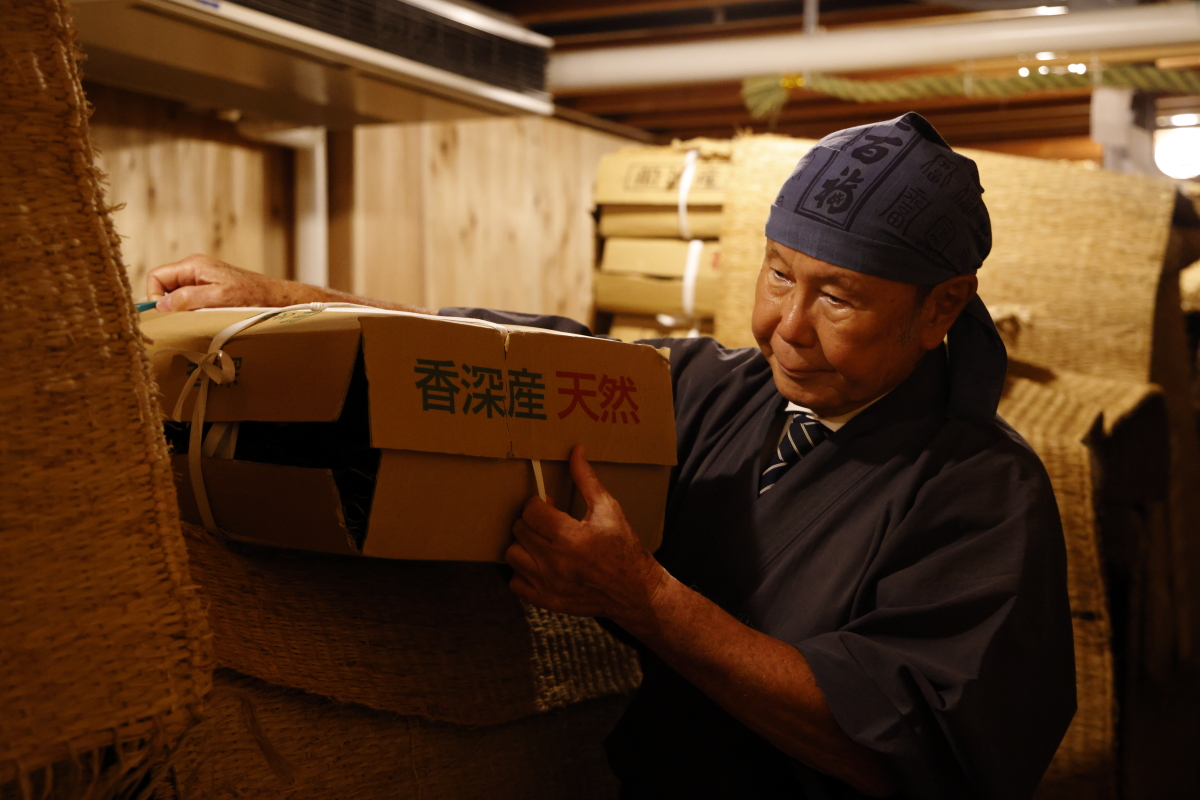
Takashi Okui, the fourth-generation owner, inspects the kelp in the kelp storage room.
The important thing, they say, is the "beach."
"Even among Rishiri kelp, the width, thickness, shape, and even the flavor of the broth differ depending on which island and which beach it was harvested from. While farmed kelp is becoming more common in Hakodate, Okui Kaiseido has long focused on sourcing natural Rishiri kelp from well-known beaches such as Kafuka Beach and Funatomari Beach on Rebun Island, and Senhoshi Beach and Kutsugata Beach on Rishiri Island."
Kofu kelp, in particular, holds a special place in Mr. Okui's heart. However, due to environmental issues and other factors, it's true that it's becoming increasingly difficult to harvest such high-quality kelp.
"I don't think any other company possesses such a large quantity of high-quality kelp. If I were to compare Kofuku kelp to wine, it would be 'Romanée-Conti'."
This analogy is typical of Mr. Okui, a wine lover, but it accurately illustrates how, like wine, even slight differences in the region of origin can affect the quality of kelp.
"Kura-aged kelp" born from the winter of Tsuruga
When discussing Okui Kaiseido, "Kuragakoi Kombu" (stored kelp) is an indispensable element. The origins of this product are also deeply connected to the region of Tsuruga.
The kelp harvested in Hokkaido during the summer is quickly dried in the sun on the same day, the edges are trimmed, and depending on the type, it is folded multiple times to prepare it for shipment. By the time it arrives in Tsuruga, it is late autumn.
In the snow-covered Hokuriku region, traveling with large amounts of cargo is difficult during winter. Therefore, kelp unloaded in Tsuruga is stored in warehouses throughout the winter and then transported to Kyoto and Osaka in the spring. This is considered the origin of "warehouse-stored kelp."
"My father often said that when he opened the kelp storage room the following year, 'around the time the cherry blossoms fall,' the aroma was different from when the new kelp was first put into the storage room."
The combination of the distribution network for transporting kelp from Hokkaido to the Kansai region and the snow-covered winters of Tsuruga led people in the past to discover that time is what makes kelp delicious.
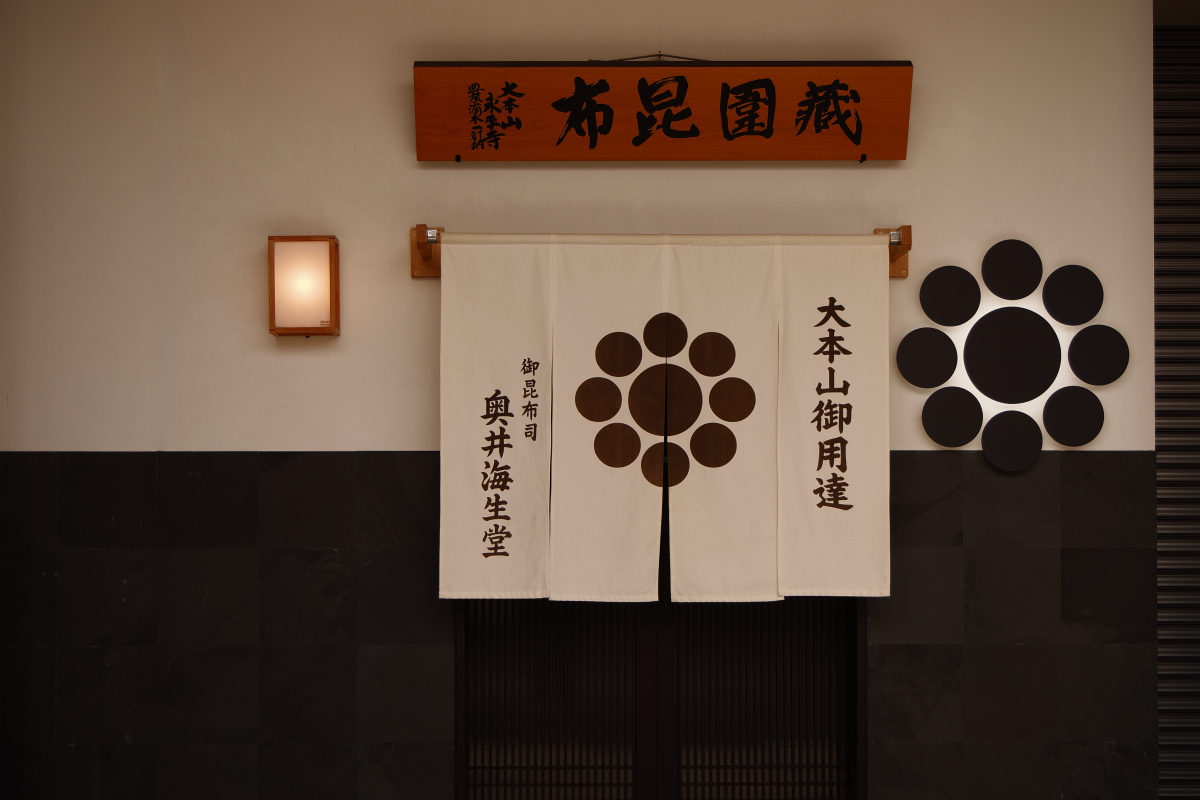
The entrance to the kelp storage building.
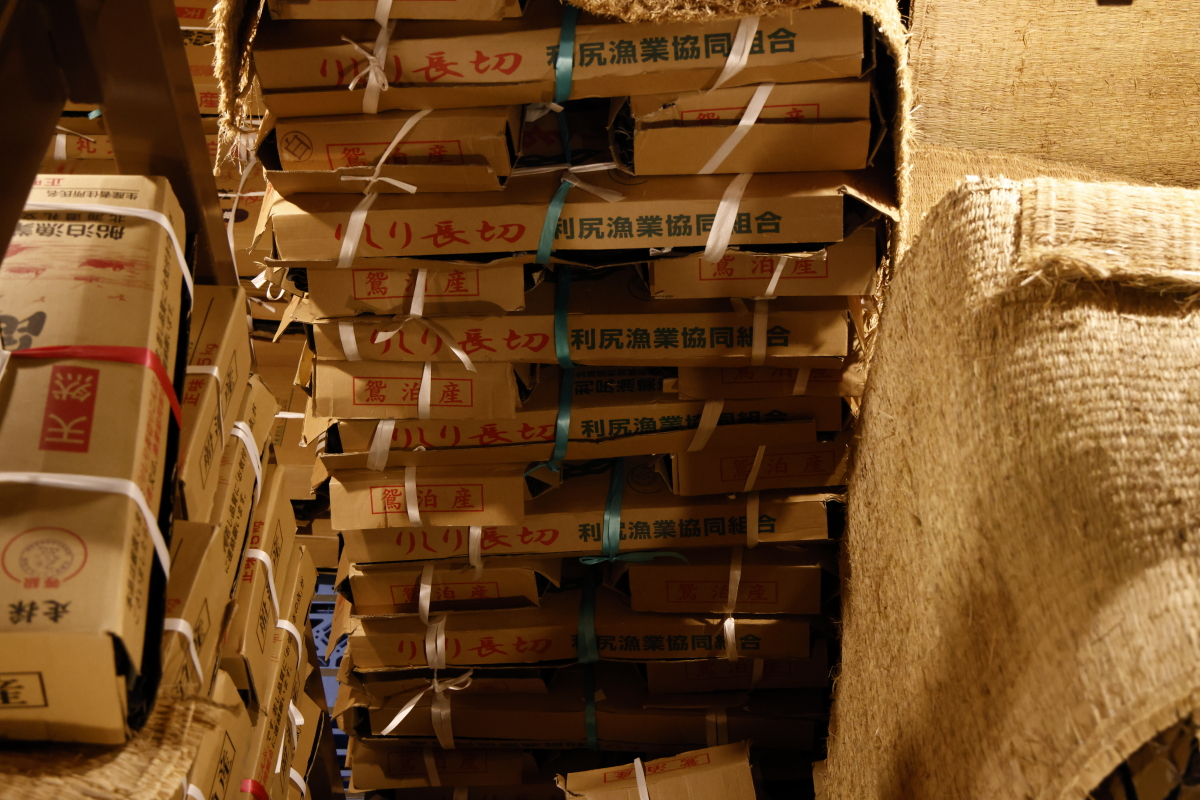
In the kelp storage area, the kelp is kept in cardboard boxes with the origin of the kelp written on them, covered with straw mats.
Currently, kelp is transported by ship from Hokkaido to Niigata or Fukui, and then by land to Tsuruga. However, Okui Kaiseido still owns several dedicated kelp warehouses to carry on this traditional aging technique.
The high-quality Rishiri kelp that arrives in the autumn is aged for at least a year, and sometimes for two or even three years, in a dedicated kelp storage facility. Inside the storage facility, which is less affected by the outside air, the kelp is wrapped in straw mats and protected from light and wind. The temperature and humidity are carefully controlled as time passes quietly.
"After two years, the kelp withers and takes on an even deeper color. It develops a certain character. The kelp is alive," says Okui.
Although kelp is a dried food, it is by no means a food that stops changing. It absorbs moisture and odors, and its state changes depending on the environment in which it is stored.
Not all kelp will become delicious simply by giving it time. Only high-quality kelp that is inherently strong can withstand long-term maturation.
A slightly special kelp that lies dormant in the back of the storehouse.
And in Okui Kaiseido's storehouse, a special type of kelp that has been aged for even longer periods is carefully preserved.
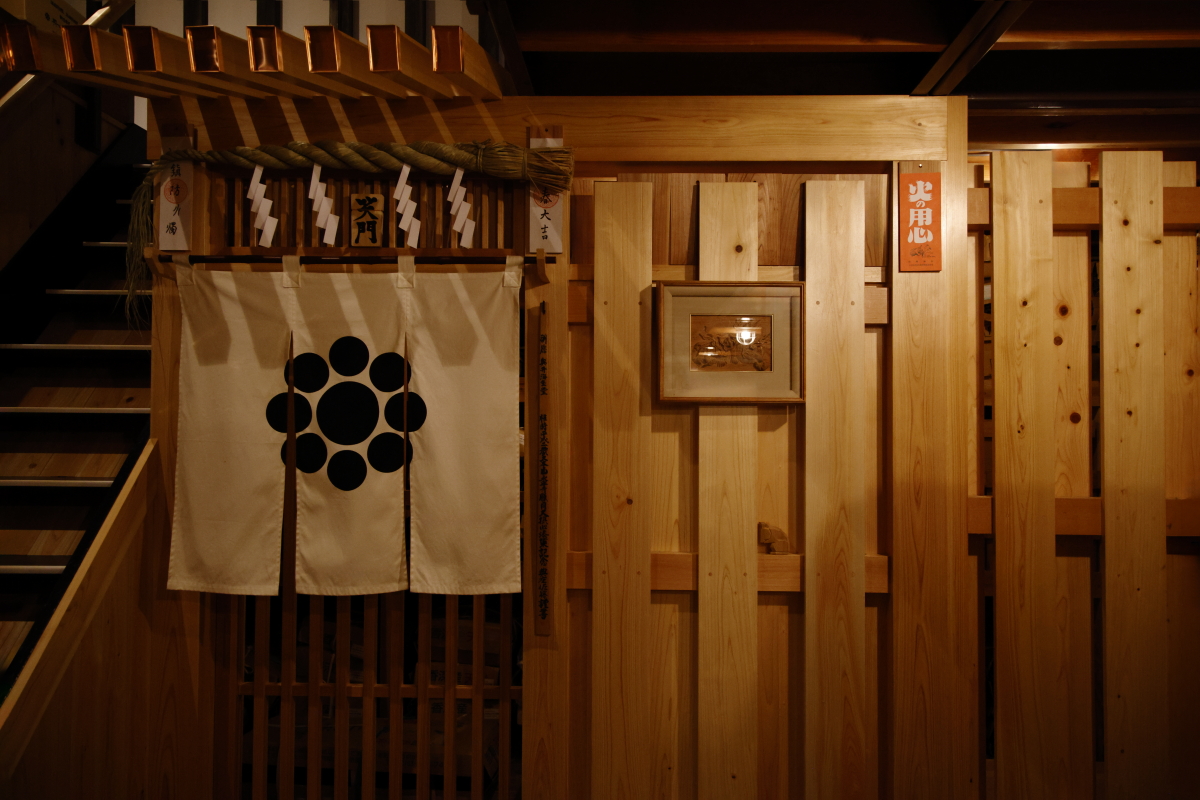
Vintage kelp is stored in the back of the kelp warehouse. The moment you step inside the warehouse, you are enveloped in the aroma of kelp.
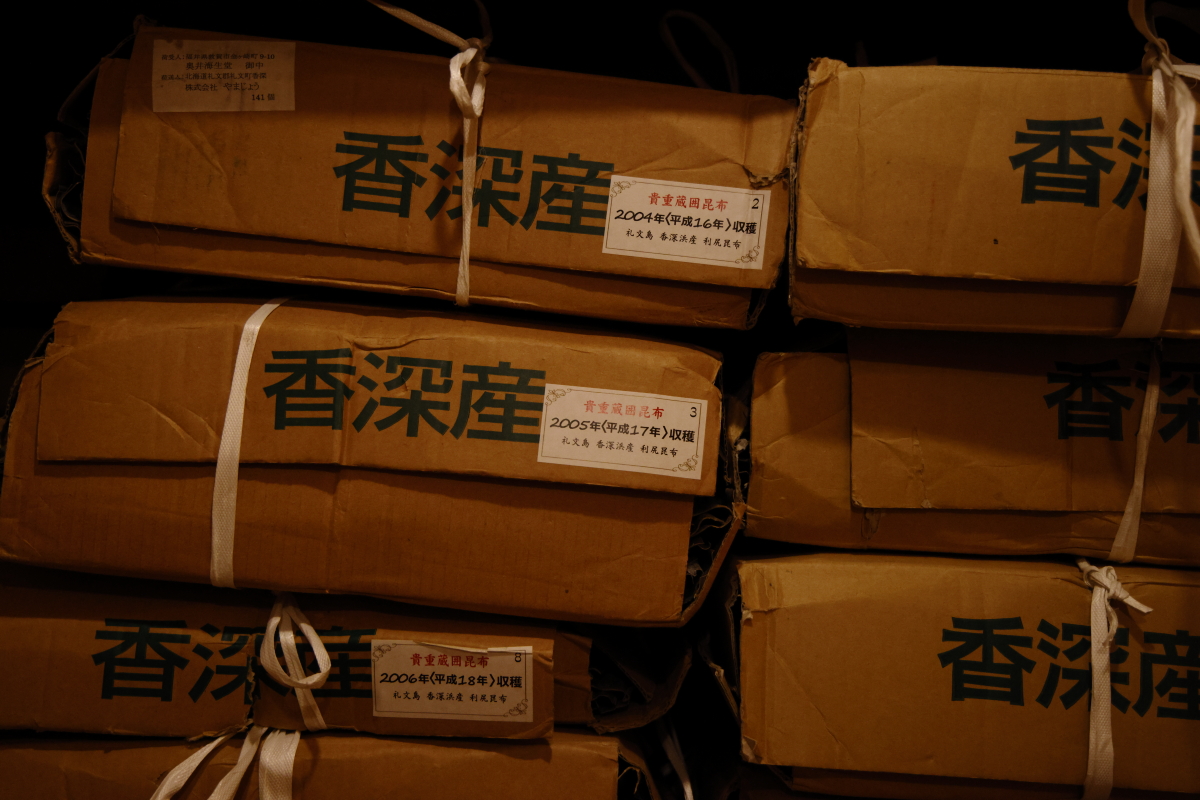
Here, aged kelp is quietly passing the passage of time.
The oldest one is from Kafuka, Rebun Island, from 1989 (Heisei 1). That's a full 36 years old.
I doubt there's another kelp merchant who owns kelp of this vintage quality. However, this long-aged kelp is not for sale.
Mr. Okui, a wine lover, has been continuing his experiments with kelp, much like he does with aging wine. He is observing how kelp changes over long periods of time, and the result of his continued observations is a precious collection of kelp that remains to this day.
Furthermore, this kelp storehouse also bears the mark of connections to renowned Japanese restaurants. It is proof that the flavors of Japan's long-established restaurants originate from this very storehouse.
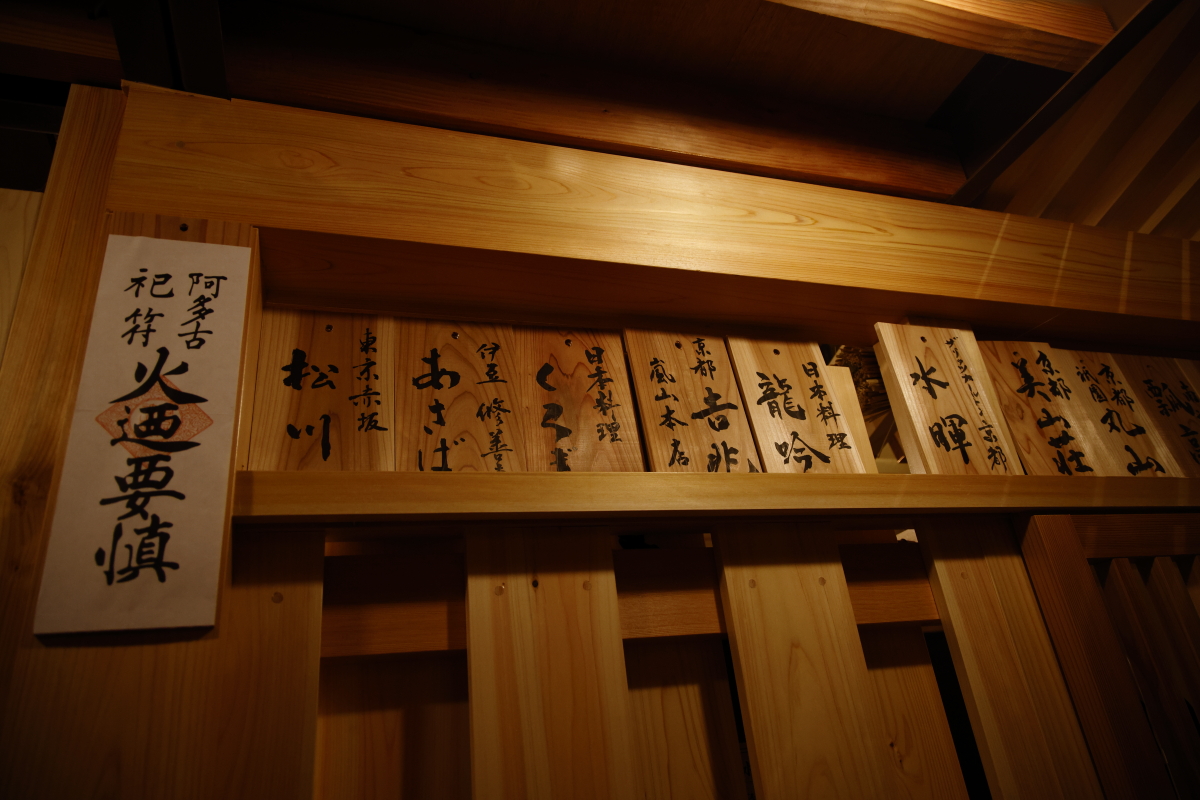
While it's only a small selection, the list includes the names of some well-known traditional Japanese restaurants.
High-quality kelp supports the chef's flavor.
From a business perspective, increasing the value of kelp over time in this way is by no means efficient.
Currently, the kelp handled by Okui Kaiseido is managed and stored in a total of four warehouses: three in Tsuruga, their hometown, and one in Hokkaido. In these modern, dedicated warehouses, the kelp is carefully protected while thoroughly controlling environmental factors such as temperature and humidity.
Traditionally, the price of kelp harvested that year was determined by a price-setting committee, which included representatives from fishing cooperatives, distributors, wholesalers in consumer areas, and representatives from fishing ports, by around mid-September. This system was also in place to prevent large quantities of harvested kelp from going unsold.
However, in recent years, the system has gradually shifted to auctions. This is due to a decrease in production volume. In particular, natural kelp from Kafuka, which is popular among chefs and has limited production volume, tends to fetch high prices in auctions.
They purchase expensive kelp and hold onto it for one, two, or even three years without selling it. During that time, there are costs involved in maintaining and managing the storage facility. They must prevent mold by monitoring temperature and humidity, and protect it from smoke and unpleasant odors.
According to Mr. Okui, purchasing kelp is still primarily done in cash. After bidding, the full amount is paid immediately. Then, for several years, the kelp remains in storage without being converted into cash. Even for a long-established company like Okui Kaiseido, managing finances is by no means easy. For a kelp merchant with limited resources, this would surely lead to business failure.
"The kelp in stock now looks like money to me (laughs). Without a solid source of funds for purchasing, we wouldn't be able to uphold the tradition of 'kuragoi konbu,' which involves aging kelp purchased with cash for many years."
Okui says that the reason he continues is because there are chefs who want "high-quality kelp."
Selecting and purchasing high-quality kelp, not selling it immediately, but waiting until it improves further—this is all part of a kelp merchant's job, including the time and effort involved.
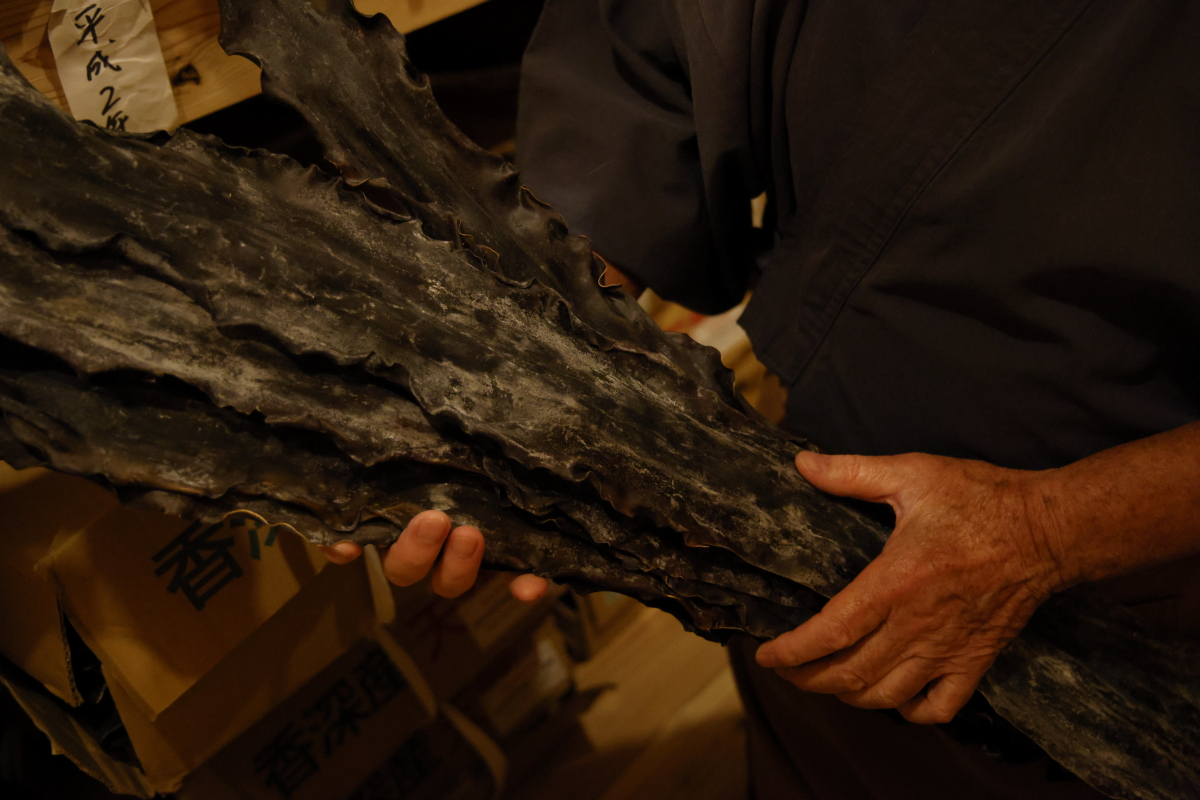
It is said that over time, the kelp gains character and the broth becomes sweeter.
"A traditional Japanese restaurant is essentially a broth shop."
So why go to such lengths to process kelp?
The answer lies in the existence of "dashi" in Japanese cuisine.
It's said that "a high-class restaurant isn't just about lining up expensive ingredients. It also needs to have the skill to make a solid broth and cook even a single potato deliciously."
And he continued.
"A traditional Japanese restaurant is essentially a broth shop."
The broth, made from kelp and bonito flakes, is used to enhance the flavor of various ingredients such as vegetables, fish, and beans.
For example, black beans.
"You wouldn't say you 'boil' beans, would you? You say you 'cook' them, just like you cook rice."
It's not simply about cooking it to soften it. While observing the state of the ingredients, the umami of the broth is gently infused into them. Okui describes this as "inputting the broth." When the dish is finished, the kelp itself is nowhere to be seen. Yet, at the heart of the deliciousness of each bowl and each dish, the kelp is undeniably present. It doesn't try to steal the spotlight, but rather enhances the best qualities of its counterparts. The way kelp is used as an ingredient seems to overlap in some way with the aesthetic sensibilities that Japanese cuisine has cherished.
Okui says that what he learned from the Kyoto chefs he has associated with for many years is not just cooking techniques.
"Kyoto chefs have poured what they've earned from their businesses into preserving their restaurants. They change the tatami mats, repair the sliding doors, and maintain the gardens. If you only consider the efficiency of a private room that only accepts one group of customers a day, it might not seem rational. However, I believe that this accumulation of effort has brought together the cuisine, the space, the seasons, and the hospitality, fostering the Japanese ryotei culture that captivates people all over the world. That is the essence of Japanese aesthetics."
Okui says he continues his kelp business because he has witnessed the aesthetics of Japanese cuisine and the efforts of its chefs.
On the other hand, there are also Japanese dishes that do not use kelp.
He also said, "For example, I think Japanese curry is a type of Japanese food. The definition of Japanese food isn't that strict."
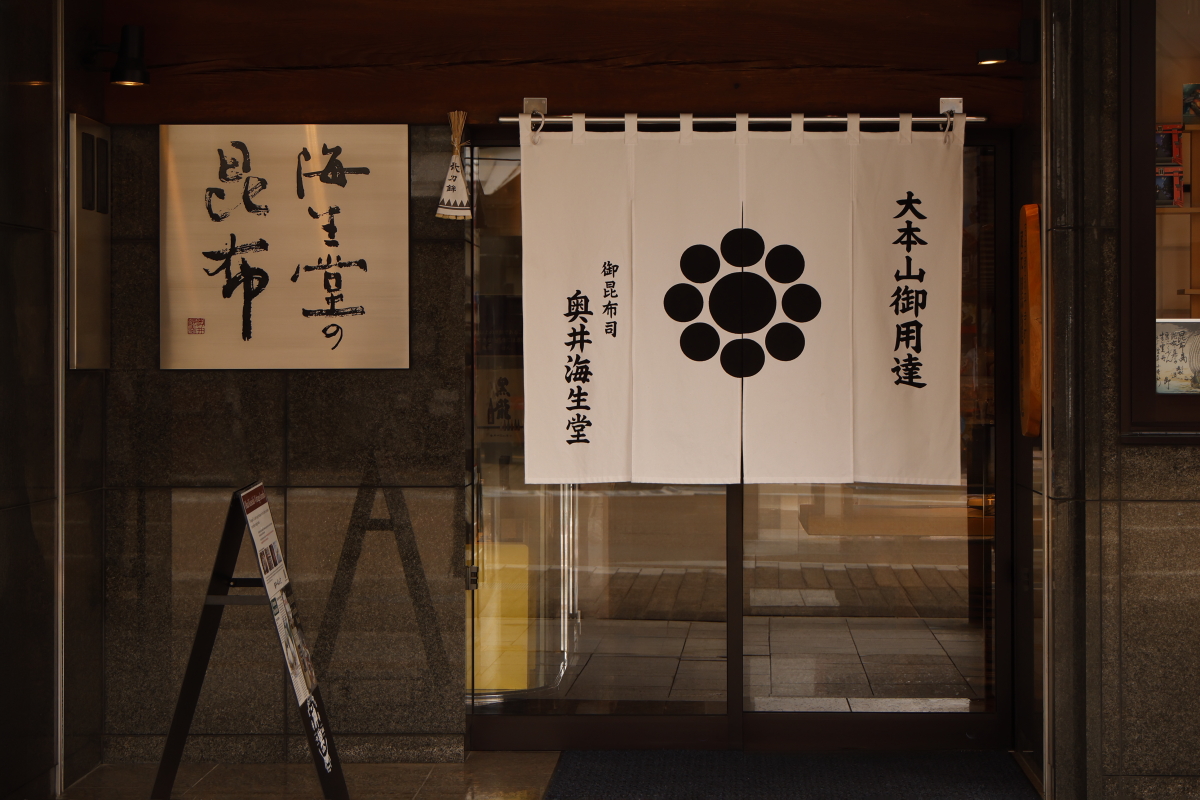
Okui Kaiseido's Kagura Main Store has been there since the company's founding. Located on Kagura Street, close to Kehi Shrine, it sells its products.
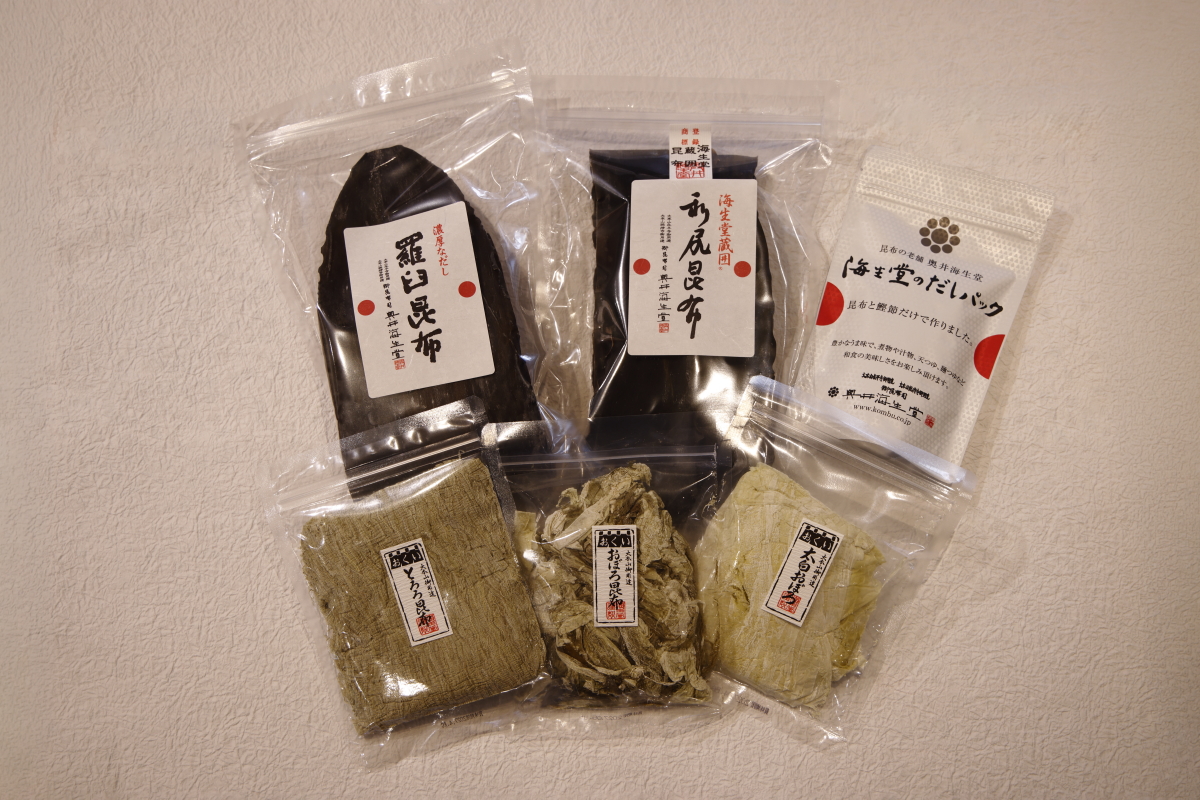
Many products using kelp are also sold. Rausu kelp 80g ¥2,430, Rausu Rishiri kelp 80g ¥2,430, kelp and bonito dashi pack 10g x 15 packets (large) ¥2,592, Taihaku oboro kelp 40g ¥1,728, kelp oboro kelp 40g ¥972, tororo kelp 40g ¥777. Online purchase is also available.
The world was amazed by Japan's "dashi" (broth). Learning about the wonders of Japanese culture from abroad.
Recently, there has been an increase in requests to conduct workshops on kelp overseas. This seems to be due to a growing interest in Japanese dashi (broth) culture.
"The culinary practice of making soup from seaweed is quite rare in the world."
About 20 years ago, Ms. Okui gave a lecture on kelp in Paris at the request of the Japanese government. At that time in France, the culture of considering seaweed as a food ingredient was not yet common. However, when the local chefs actually tasted kelp broth, they showed great interest. It wasn't just the umami that surprised them.
"While Western broths are simmered for a long time, Japanese dashi extracts its umami in a very short amount of time. Japanese dashi is great because it's so simple."
However, a long time has passed before that single bowl of broth is created.
Kelp grows in the sea, is harvested by fishermen, and dried in the sun the same day. Kelp merchants select the kelp based on its location and quality, and then let it age in warehouses for one, two, or even three years. After many years of this process, the kelp reaches the hands of chefs and fulfills its purpose as a broth base.
"It takes years and a tremendous amount of work to transform kelp and bonito flakes into dashi ingredients. All of that is for the sake of 'extracting dashi in an instant.' It's the purity of the kelp and bonito flakes, having fulfilled their purpose, that gives it its 'umami flavor.' It's by no means an easy cooking process; it's the accumulation of a long time and effort that brings out that flavor in that single moment."
Okui says that encounters with chefs from overseas have also given him an opportunity to re-examine his own work. World-class chefs are showing interest in kelp and trying to learn about the Japanese culture behind it. Sometimes, it is only when something is highly appreciated from the outside that we realize its value, which we had taken for granted because it was so familiar.
"When you come here from overseas, taking a roundabout route, young people in Japan start to think about it too. There's a sense of happiness in realizing that what you're doing is something amazing."
World-renowned chef Alain Ducasse also visited Okui Kaiseido and interacted with kelp, due to his interest in vegetarian cuisine.
"If chefs from around the world, including Japan, were to visit Tsuruga and see our kelp warehouse, I believe they would understand how much care and attention we put into our kelp."
From Mr. Okui's words, one can sense his deep affection for his family business.
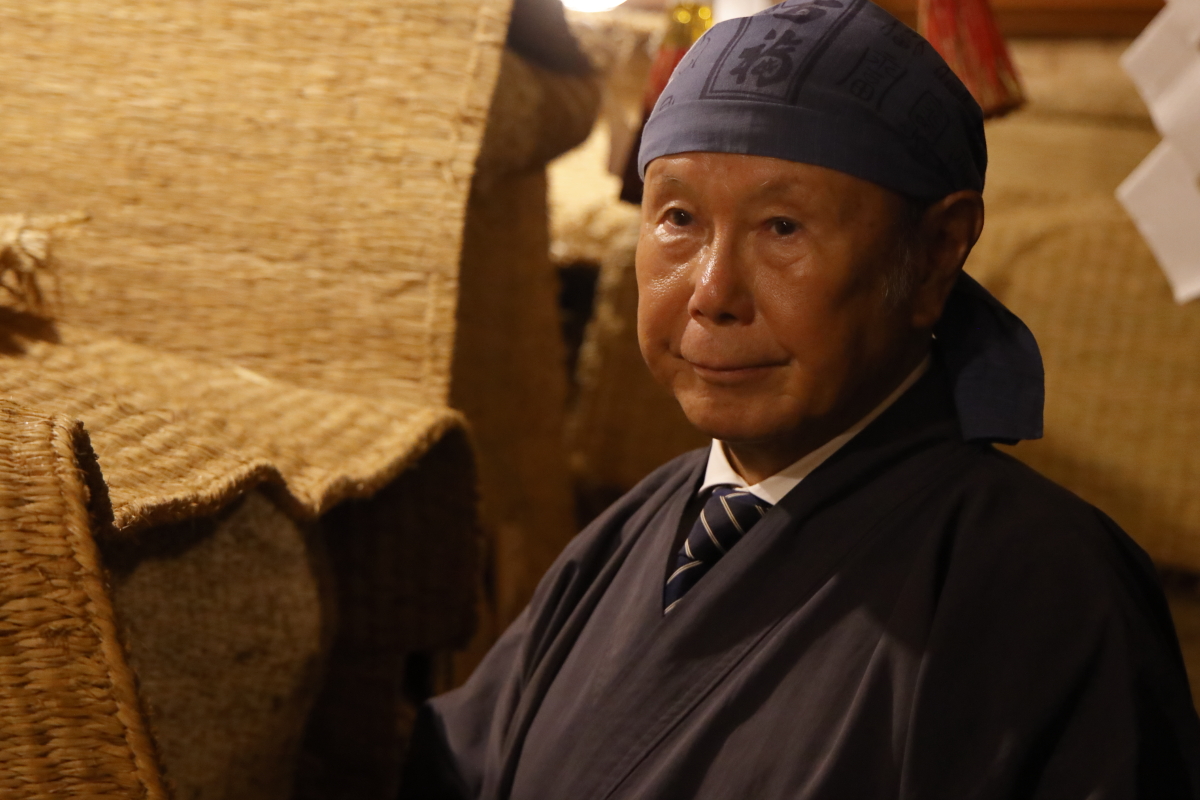
Ms. Okui wearing the work clothes of Eiheiji Temple, the head temple of the Soto Zen school.
What will connect us in an era when kelp cannot be harvested?
And now, the sea surrounding kelp is changing, and many people are worried about the future of kelp. Rising sea temperatures and coastal barrenness are increasing the areas where kelp cannot grow. However, Okui says, "I believe the sea has its own inherent power. I can't be optimistic, but I believe that the power of the sea will continue to nourish the kelp."
When Mr. Okui took over the family business, he was interviewed about a "disappearing industry." After going through that era, we now live in a time when world-renowned chefs travel all the way to Tsuruga in search of kelp.
When asked about the future, his answer was surprisingly quiet.
"We simply want to continue passing on these traditions, history, and culture to the next generation, just as we always have. That's all."
Creating something new isn't the only way to shape the future. It's about appreciating the value of things that have been refined over a long period of time, putting in the necessary effort, and passing them on to the next generation. The dashi (broth) made from kelp is invisible in the finished dish. But without it, there's a flavor that simply wouldn't exist. The work that Okui Kaiseido has been doing for over 150 years is very similar to that kelp dashi.
It's not conspicuous, but it's definitely there.
Photos by Katsuo Takashima
JCCO
PREMIUM JAPAN AWARD
PREMIUM JAPAN AWARD 2026
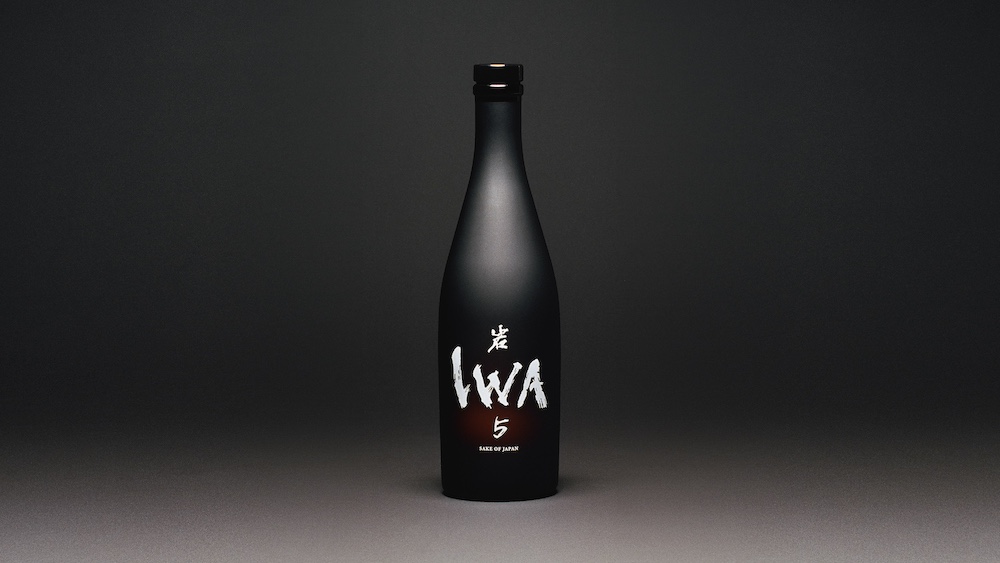



PREMIUM JAPAN AWARD