

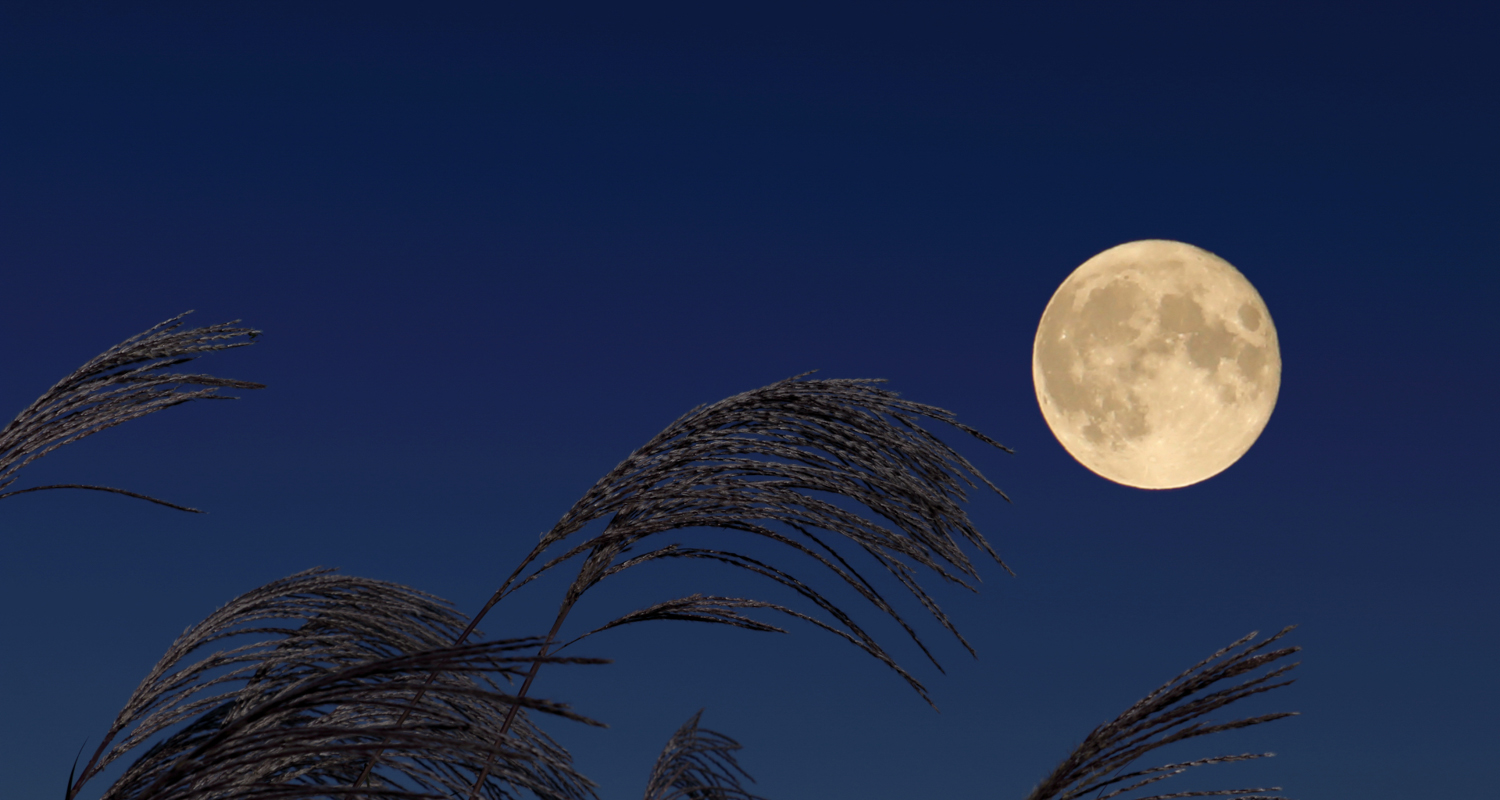
On an autumn night, the moon floating in the sky—the moment we stop to admire its beauty—may be the same now as it was then.
In Kyoto, a culture of appreciating the moon has flourished since the Heian period. This appreciation extends beyond the moon itself; it encompasses its reflection on the water, its ever-changing appearance, and its connection to the surrounding scenery. A uniquely Japanese aesthetic sensibility thrives within this culture.
In this edition of Kyoto News, we will explore the charm of moon viewing by tracing the culture surrounding the moon, from moon-viewing customs from the Heian period to the present day, to regional differences in moon-viewing dumplings.
The moon admired by Heian aristocrats
When did the culture of appreciating the moon become popular?
For centuries, the moon has been a familiar presence to the Japanese people. From the calendar based on the phases of the moon, to the worship of moon gods, and as a source of literature and emotion, it has been deeply rooted in the lives and culture of the Japanese people.
It was during the Heian period that Chinese moon-viewing culture was added to the mix. Since then, it is said that the custom of moon viewing spread, mainly from the imperial court.
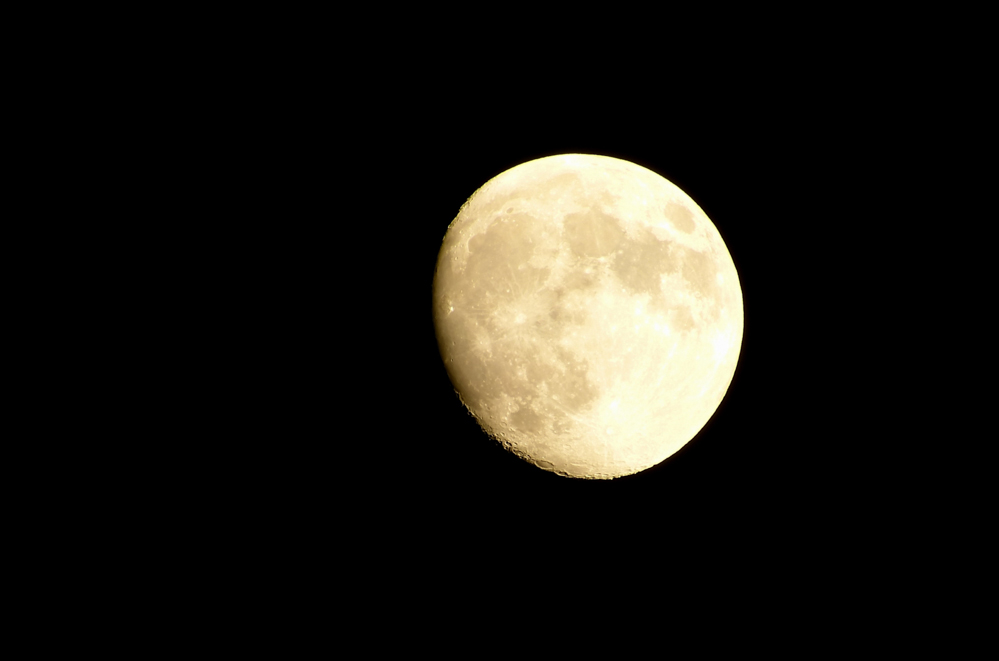
The Japanese have long cherished the moon, giving it beautiful names such as Izayoi (sixteenth night), Tachimachi-zuki (standing moon), and Nemachi-zuki (sleeping moon), according to its phases and lunar age.
The event that brought the area widespread popularity was the moon-viewing banquet hosted by Emperor Saga. The setting for this event was Osawa Pond, which is now located east of Daikaku-ji Temple.
With the gentle mountain range of Sagano as a borrowed landscape, this pond, filled with water, is Japan's oldest artificial forest pond, created as the garden pond of Saga-in, the detached palace of Emperor Saga. It is also called "Teiko" (garden lake) because it was modeled after Dongting Lake in China, and the tastes of Emperor Saga, who favored Tang Dynasty culture, can be felt throughout.
On the night of the Mid-Autumn Festival, Emperor Saga is said to have spent a refined time with cultural figures and nobles, composing poetry and songs while floating brightly colored dragon-headed and mythical bird-headed ornaments on the moon and enjoying the music.
Enjoying the reflection of the moon. The aesthetic of moon viewing.
The joy of moon viewing isn't just about gazing up at the moon floating in the night sky.
Actually, during the Heian period, when the custom of moon viewing became widespread, it was thought that staring intently at the moon was a bad omen.
In "The Tale of the Bamboo Cutter," written in the early Heian period, there is a scene where Princess Kaguya, lost in thought while gazing at the moon, is reprimanded with the words, "It is taboo to look at the moon's face." Similarly, in the "Yadorigi" chapter of "The Tale of Genji," the expression "It is taboo to look at the moon" appears.
Nevertheless, people have continued to admire the moon.
It is said that Heian-era aristocrats enjoyed the refined beauty of not looking directly at the moon, but rather admiring its reflection in the surface of a pond or in the sake in their cups—the "inverted moon."
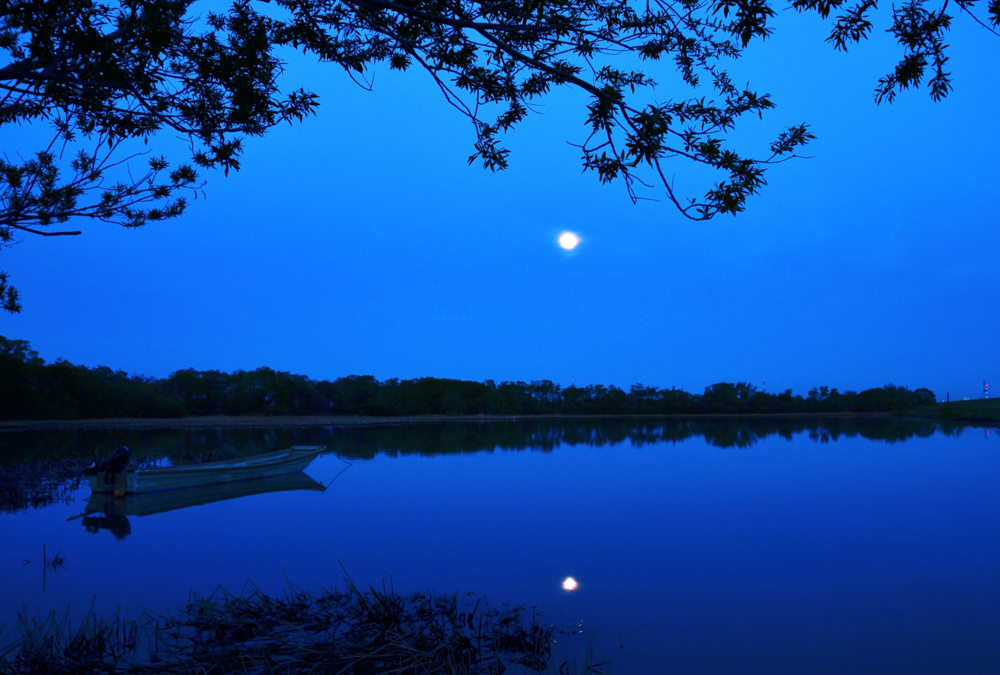
The "inverted moon" reflects its beautiful form on the calm surface of the water.
Thus, since ancient times, people have been drawn not only to the moon itself, but also to the various landscapes it creates.
As the sun sets, the blue of the sky gradually deepens, and eventually the moon rises.
As the full moon approaches, the moon becomes fuller.
The moment the moon, hidden behind the clouds, suddenly reveals itself.
Beyond simply appreciating the beauty of the scenery, perhaps they also felt the passage of time and a sense of poignant beauty in the waxing and waning of the moon.
This year, perhaps it would be nice to take some time to slowly savor the moment of gazing at the moon while reflecting on such things.
The culture of moon viewing passed down to the present day: Enjoying moon-viewing parties in Kyoto
The moon-viewing culture enjoyed by the aristocracy of the Heian period has been passed down through the ages and continues to this day. Around the time of the Mid-Autumn Festival, moon-viewing parties are held in various places, and people can enjoy moon-related events. Of course, this is also the case in Kyoto.
This is a special night where you can enjoy the sacred garden at night, which is usually not visible, along with the flavors of autumn and the atmosphere of Kyoto, all at once.
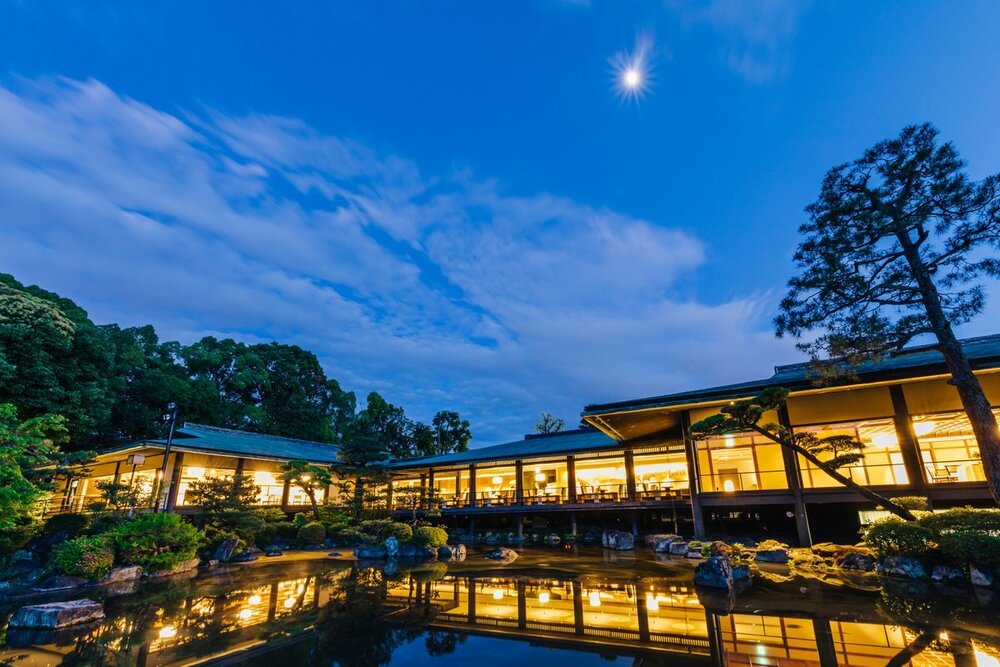
An autumn night to admire the full moon amidst the fantastical scenery of the illuminated shrine garden.
First, we'll head to the illuminated Heian Jingu Shrine Garden. We'll take a leisurely stroll through the garden, which has a different atmosphere than during the day, and enjoy the tranquil autumn night. Dinner will be held in a hall overlooking the garden. We'll savor the bounty of autumn with a special course menu, available only on this evening, featuring an abundance of seasonal delicacies. During dinner, a geisha will perform a dance. After admiring their elegant attire and graceful dance up close, you can also take photos with the geisha.
Why not spend a special moment admiring the beautiful moon while experiencing the unique autumn atmosphere of Kyoto and immersing yourself in the traditional culture of this ancient capital?
<Enjoy the Mid-Autumn Moon: Moon-Viewing Dinner>
Date: Friday, November 25, 2026
Official site:https://www.heianjingu.com/party/afternoontea/usual/kangetsu-heian/
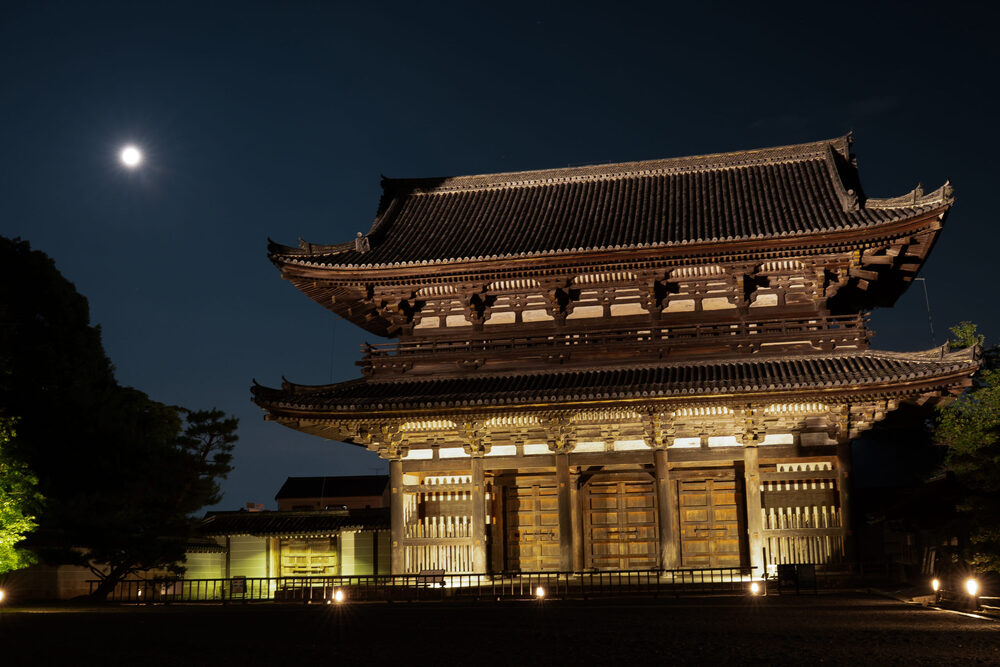
Ninna-ji Temple, which is designated as a National Important Cultural PropertyThe "Niomon Gate" and a beautiful full moon.
<Moon Viewing Festival - Composing poems about the moon, appreciating the moon>
Date: Saturday, April 2026, 9
Official site:https://tomo-group.co.jp/lp/ninnaji_kangetsusai/
In addition, there are various events, from those where you can enjoy Buddhist ceremonies related to the moon and gagaku (ancient Japanese court music and dance), to those where you can appreciate the moon while enjoying tea and meals. At Daikaku-ji Temple and Osawa Pond, the "Moon Viewing Evening" is held every year for three days. Even after more than 1,000 years, being able to gaze at the moon in the same place gives one a sense of connection between the past and the present through the moon.
These moon-viewing events can be a great opportunity to learn about the long-standing tradition of moon viewing.
Regional Culture as Seen Through Moon-Viewing Dumplings
During the Edo period, the custom of moon viewing spread to the common people. It became established not only as a way to admire the moon, but also as a celebration of the autumn harvest and a prayer for a bountiful harvest in the following year. It is said that it was around this time that people began offering rice dumplings that resembled the moon.
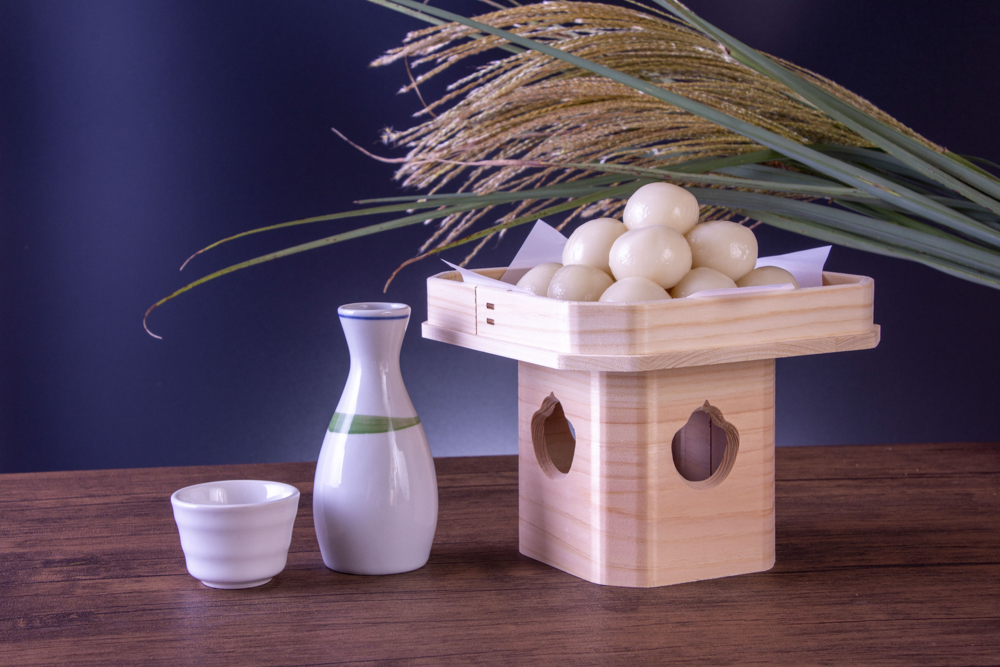
In the Kanto region, moon-viewing dumplings are round to resemble the full moon. However, they are made slightly flattened because a perfectly round shape would be the same as the "pillow dumplings" offered at the bedside of the deceased.
Actually, there are regional differences in these moon-viewing dumplings. In the Kanto region, it is common to see white, round dumplings stacked on top of each other. On the other hand, in the Kansai region, you often see long, slender dumplings resembling taro roots, wrapped in sweet bean paste.
In addition, in some areas of Shizuoka, they offer a type of rice dumpling called "hesomochi," which has a depression in the center. In Okinawa, there is a custom of offering "fuchagi," which is a long, thin rice cake covered in red bean paste.
The Mid-Autumn Festival (Jugoya) is also known as "Imo Meigetsu" (Potato Moon), and has been associated with the custom of offering taro and other vegetables. The taro-shaped moon-viewing dumplings seen in the Kansai region are also believed to have originated from this custom.
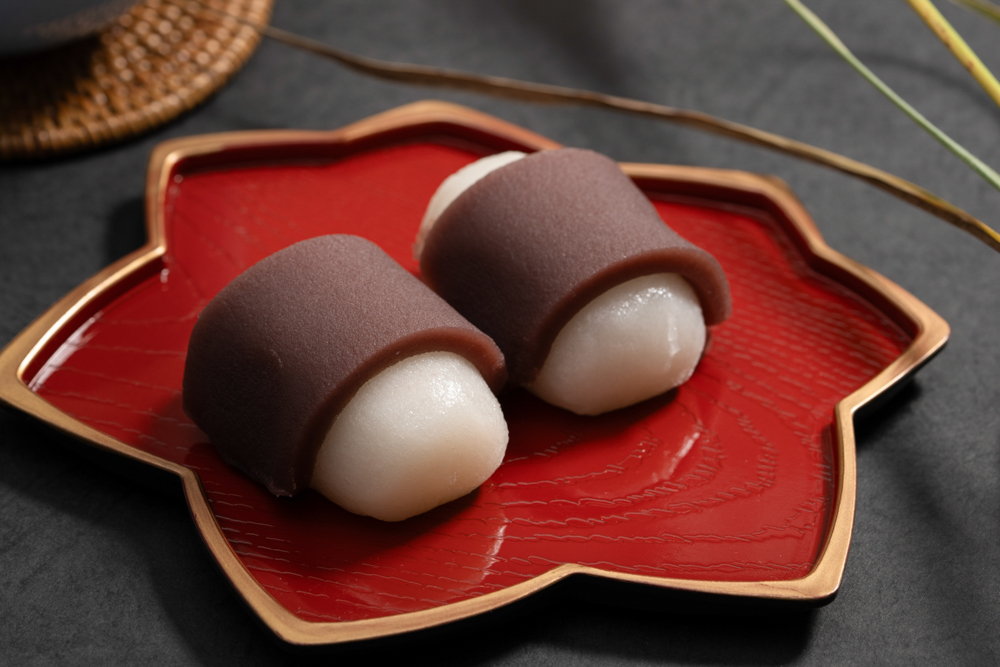
Tsukimi dango (moon-viewing dumplings) from the Kansai region. One theory is that they are shaped like taro root, while another theory is that they represent the moon covered by clouds.
Furthermore, the full moon isn't only celebrated on the 15th night of the lunar month.
Approximately one month after the full moon on the 15th day of the 8th month of the lunar calendar, the 13th day of the 9th month of the lunar calendar is called "Jusanya" (thirteenth night).
While the full moon of the 15th night is a custom that originated in China, the moon-viewing custom of the 13th night is unique to Japan.
The moon on this night, considered the second most beautiful after the full moon of the 15th night of the lunar month, is not a full moon but slightly crescent-shaped. The fact that this moon is admired as a beautiful moon reflects a uniquely Japanese aesthetic sense that finds beauty in imperfection.
The thirteenth night of the lunar month is also called "chestnut moon" or "bean moon" because it is the time when chestnuts and beans can be harvested. It is customary to offer seasonal harvest items such as chestnuts, edamame, persimmons, and pumpkins in addition to moon-viewing dumplings.
In the past, it was considered bad luck to only look at one of the two moons, the full moon on the 15th or the 13th night of the lunar month, which was called "katami-zuki" (one-sided moon viewing). This suggests that the 13th night was also a familiar and important time for people.
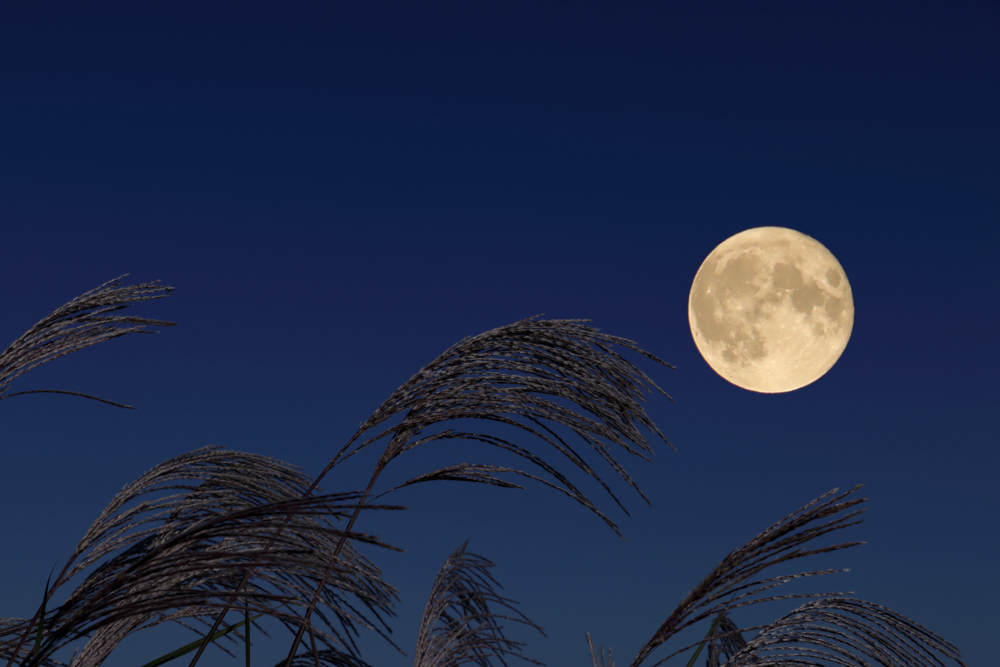
An autumn night adorned with the moon and pampas grass. A scene of moon viewing that has been cherished by the Japanese people since ancient times.
This year's Mid-Autumn Festival is on September 25th. However, the full moon actually occurs two days later, on the 27th. It seems that it's not uncommon for the dates of the harvest moon and the full moon to be different, but a difference of two days is rare. The next time this will happen is said to be in 2043.
Furthermore, this year the Mid-Autumn Festival coincides with the Tiger Day, which is considered an auspicious day for financial luck. Looking at the moon on such a night makes you feel like something good is about to happen.
The tradition of moon viewing, which has endured for over a thousand years, still remains in our lives today. Why not take a moment to pause and gaze at the moon? Enjoy such a moment in autumn Kyoto.
Text by Erina Nomura
Erina Nomura
A writer living in Kyoto. After graduating from university, she worked at a production company involved in a variety of media, including publishing, advertising, and the web. In 2020, she went independent and is now working as a freelancer. Her areas of interest include craftsmanship, traditional culture, lifestyle, and travel. As a Kyoto correspondent for Premium Japan, she reports on the latest happenings in Kyoto through the "Kyoto News" section of the editorial department's blog.
Lounge
Premium Salon
Kyoto News


Premium Salon


