Like rice plants, gracefully
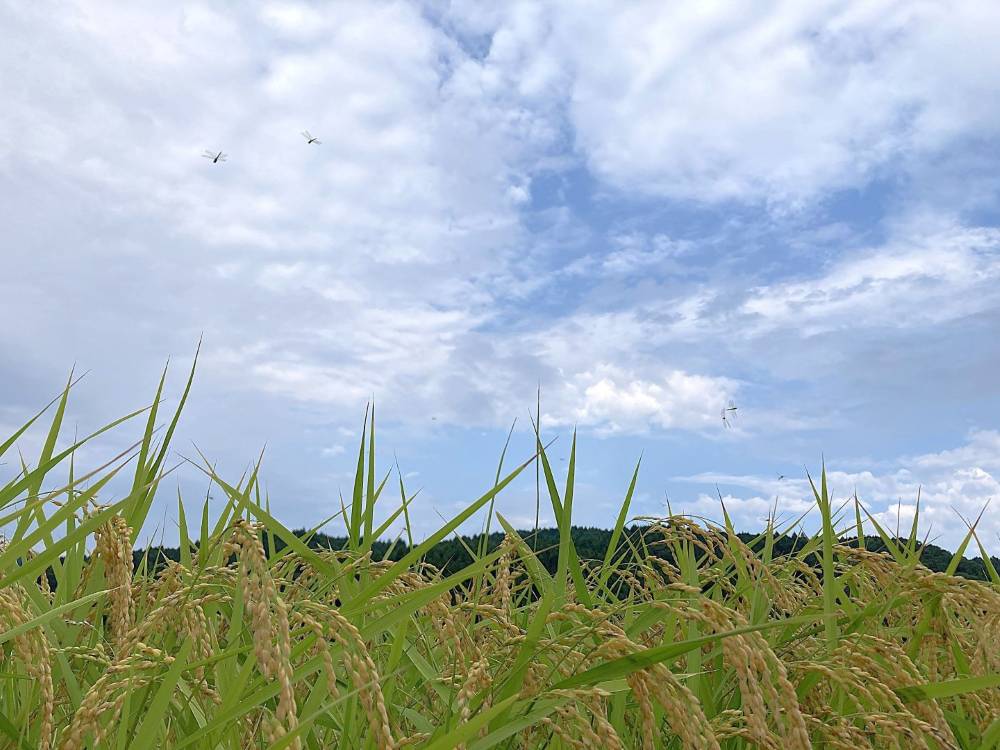
The rice planted in early summer grows rapidly as the days get longer, and the rice paddies shine with a vibrant green, full of life. Eventually, in midsummer, the rice flowers bloom and bears fruit, and as the ears of grain begin to droop, the evenings gradually begin to get shorter, and the wind blowing across the fields carries the scent of autumn. After the Obon festival, the rice paddies in Noto slowly turn golden.
As the rice harvest begins, the air is filled with a soft, sweet fragrance, and the sight of rice drying on racks comes into view in various places. It feels as if the rice gods are smiling upon the fields that have been damaged by earthquakes and heavy rains, and a sense of relief spreads as we welcome the harvest season.
Standing before the vast landscape of rice paddies and sky, watching the passing clouds and the creatures around me, and taking a deep breath, I feel as if I'm returning to the natural pace of human life, and a feeling of wanting to savor this season arises within me.
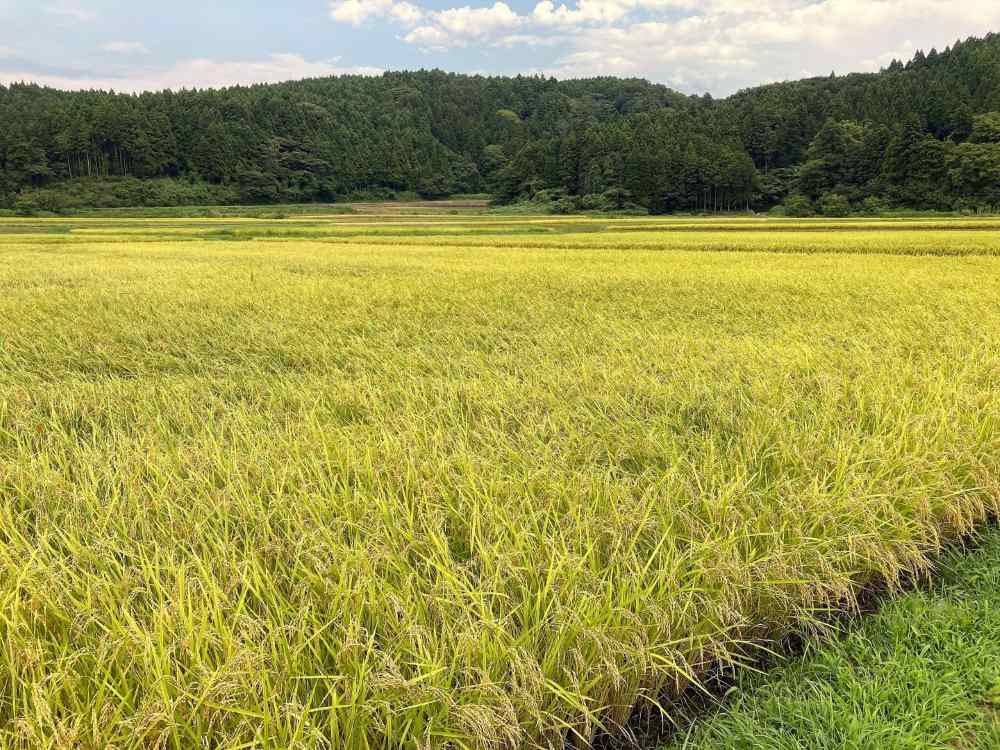
The rice paddies, now ripe for harvest, look like a golden carpet.
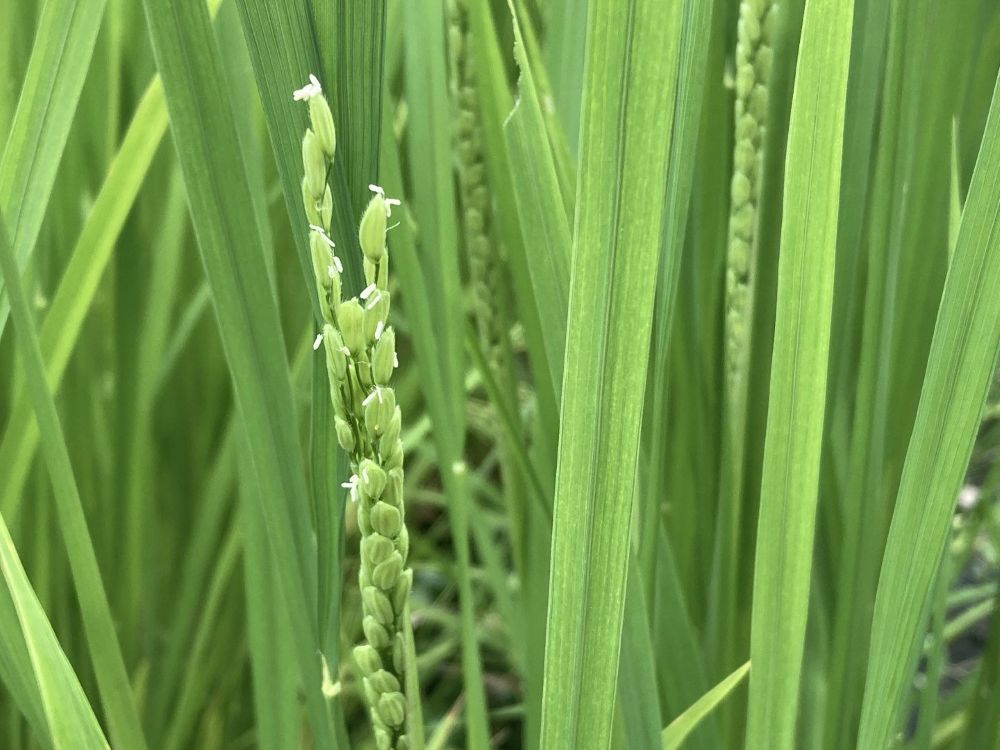
The rice plants grow larger during breaks in the rainy season. When the ears of rice emerge, tiny flowers bloom at the tips of the ears for just a brief moment in the early morning.
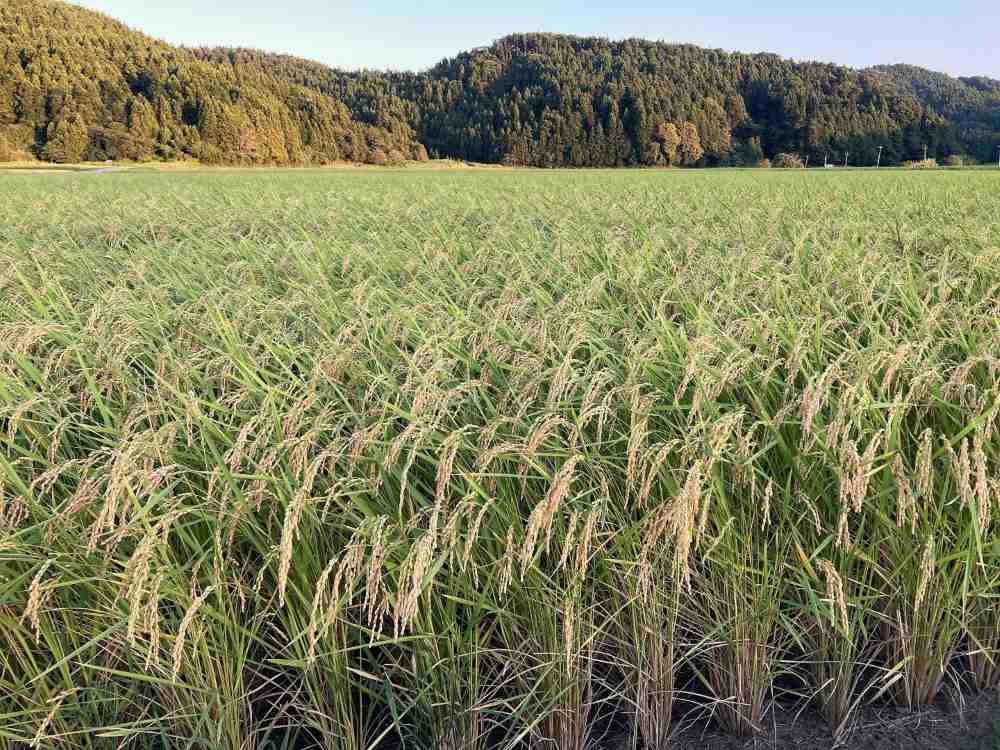
Rice paddies in mid-August. Even amidst the humid heat, autumn is slowly approaching.
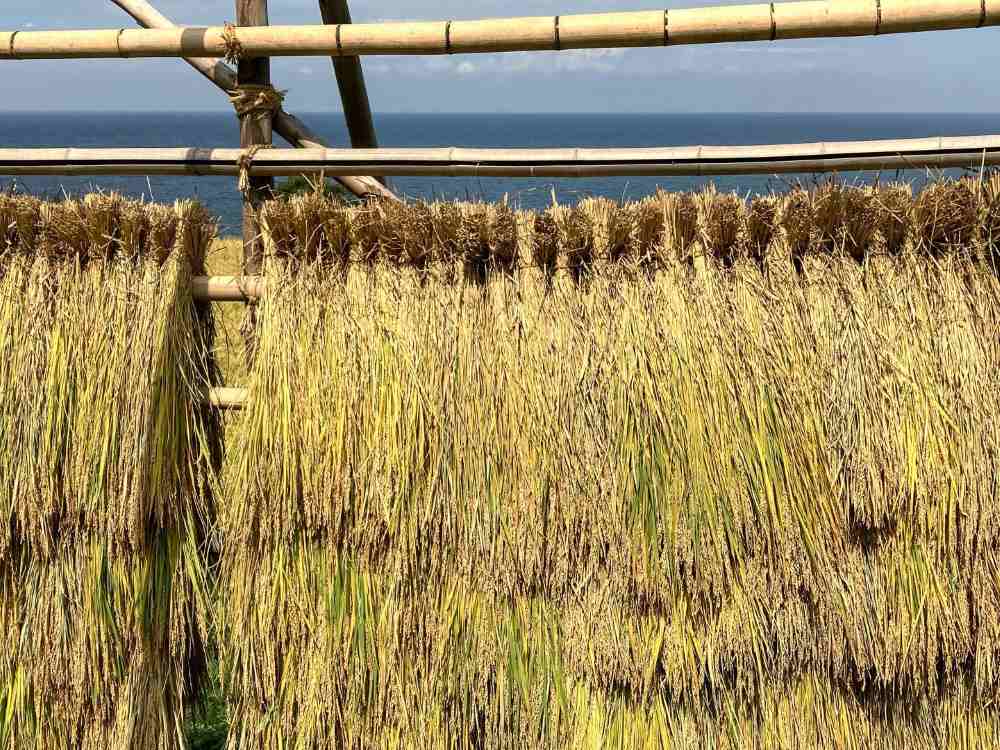
Drying the harvested rice on bamboo poles using sunlight and natural breezes results in rice that tastes even better.
Three summers after the earthquake
September on the Noto Peninsula. In the transitional period between summer and autumn, strong sunlight pours down during the day accompanied by the chorus of cicadas, but the sounds of insects become even louder in the mornings and evenings. Grass grows vigorously along the roadsides and in vacant lots, but mowing cannot keep up, and we are beginning to see weed control sheets laid down.
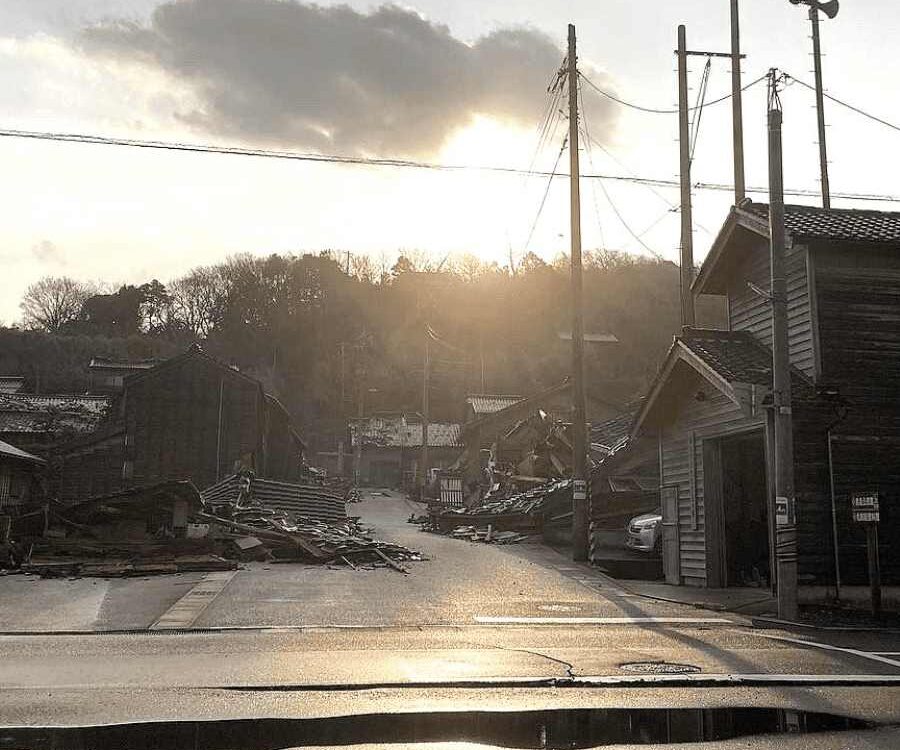
Due to labor shortages and soaring construction costs, recovery and reconstruction plans are reportedly not progressing as quickly as they should in various parts of Wajima City.
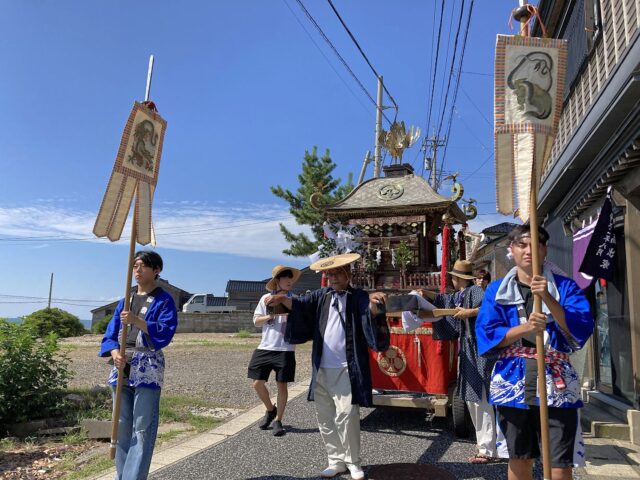
News of festivals and fireworks displays is coming in from all over Noto. At the summer festival held in all districts of Wajima city for the first time in three years, the ritual of using large torches was resumed, and portable shrines and floats were newly made.
There has been much good news at the festivals in the various districts around the temple, such as the revival of lion dances, and it feels as though the hopes and prayers of the people for Noto's recovery are fueling the excitement of the festivals. The number of returning visitors and tourists has also increased significantly, and we can hear the sounds of people rejoicing in reunions, reaffirming their community ties, and forging new bonds, creating a lively atmosphere.
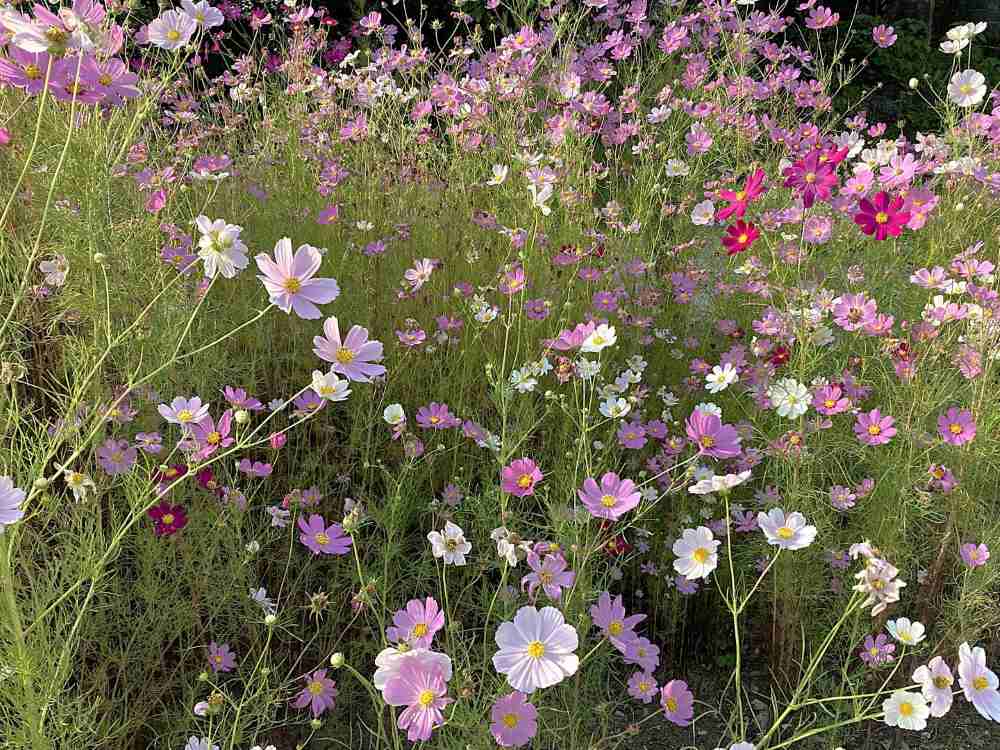
The cosmos flowers sway gently in the wind, blooming beautifully. Their presence makes me lament the passing of summer.
I'm working hard every day on my creations for my solo exhibition scheduled for November.
This summer, I've been commuting from temporary housing to a temporary workplace, working to rebuild my life and work. In terms of living arrangements, my two-year tenancy in temporary housing expired in August 2026, but I have no clear outlook for the future, and it seems this situation will continue for a long time. Since I didn't apply for disaster relief public housing, in order to apply for a further extension of my tenancy, I need to make concrete plans for the future and prepare the necessary documents by the deadline.
Public support, subsidy programs, and monitoring systems after a disaster are supposed to be there to maintain social order and protect people's lives, but they don't fit in with the current situation in Wajima or the environment surrounding me. I feel mentally cornered by the complicated application process and deadlines, and it's like I'm being slowly strangled.
While laying the groundwork for the future, I am grateful to be able to work with lacquer, even if only temporarily, and I am diligently working on my creations for my solo exhibition scheduled for November. However, I need to find ways to adjust the content and timing of my work, and there are many inconveniences because my home and workspace are separate. I hope to quickly return to the rhythm I had before the earthquake, where I could settle down under one roof, live with peace of mind, work while working, and live within my work.
My grandmother's farewell letter
This summer, I wanted to visit my grandmother's grave in Odawara, where my family home is located, to coincide with the first Obon festival and the equinox, but now is the time to persevere in rebuilding. I was born and raised in a family of seven people spanning three generations, and from a young age, I spent my time following in my grandmother's footsteps.
My grandmother, who survived the wars of the Showa era, was a gentle and sincere person, and she was like sunshine to our family. I still have the feeling that when I go back home, she will greet me with a bright smile and have a delicious meal waiting for me. I am overwhelmed by the reality that I cannot accept the death of my beloved, and by the regret that I was not able to be by her side at the end.
As the Obon holiday began, I suddenly remembered and started sorting through the piles of household items and belongings that I hadn't been able to put away since the earthquake.
"I found it!" I exclaimed, having found a kimono wrapping paper from the kimono shop that my grandmother used to frequent when she was still healthy. When I opened the wrapping paper, a yukata (summer kimono) came out.
About a dozen years ago, when I had just moved here, my grandmother had this dress made for me and gave it to me with the words, "Wear this when you're in Wajima." While I was living in downtown Wajima, I never had a chance to wear it, so it remained unused until this earthquake.
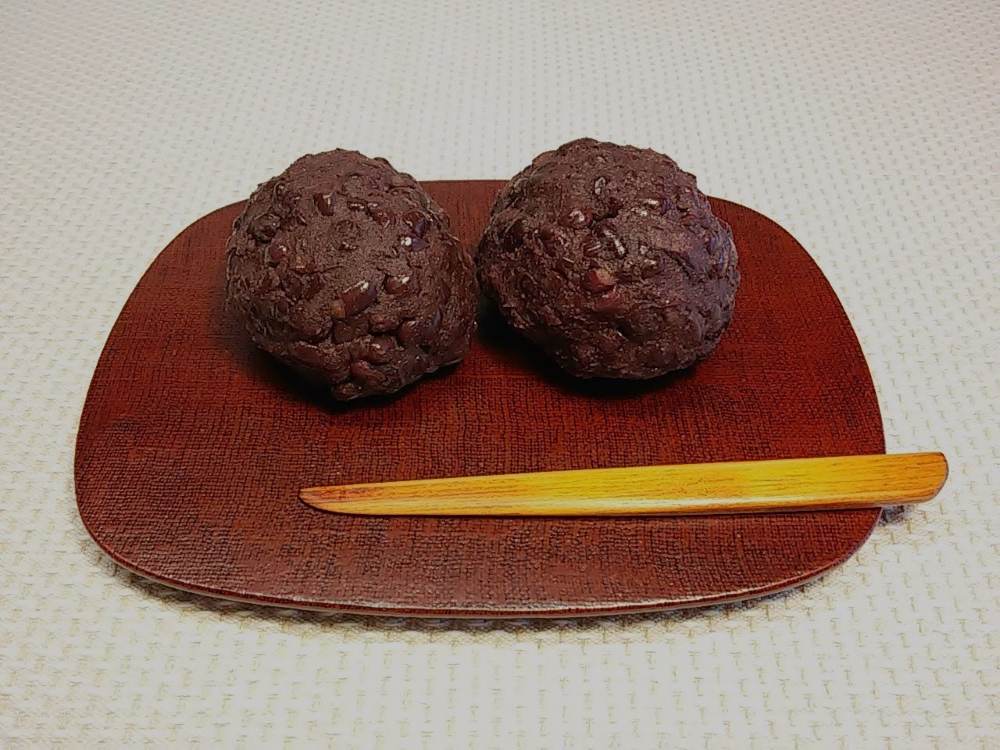
During the equinox, when my grandmother was making ohagi (rice cakes), I, as a child, would enjoy tasting them next to her.
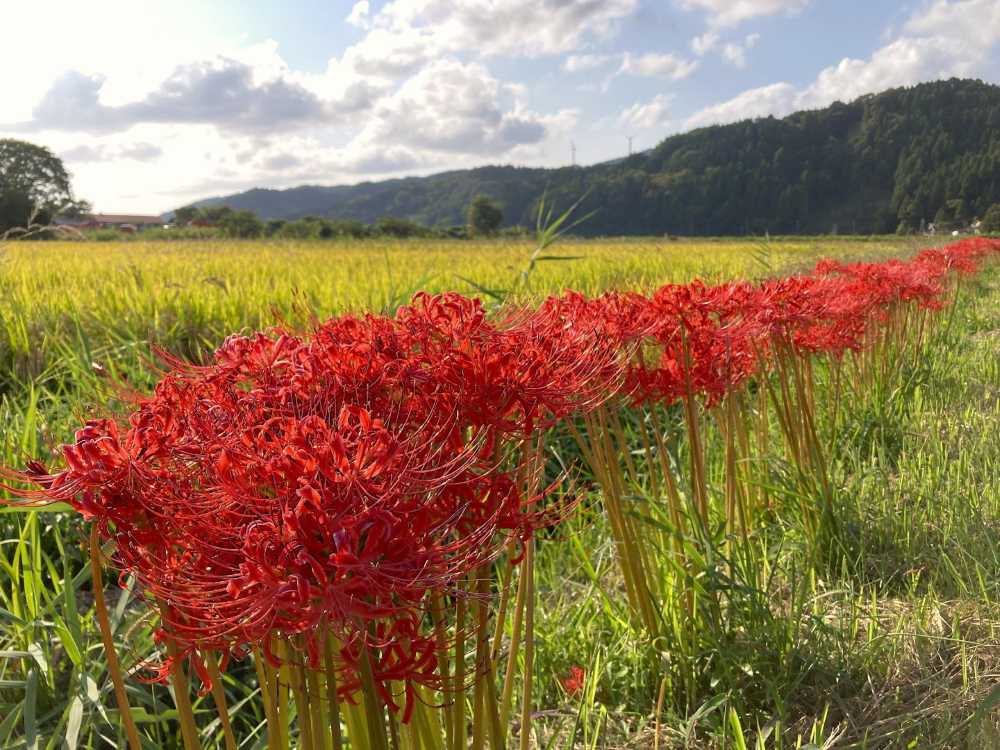
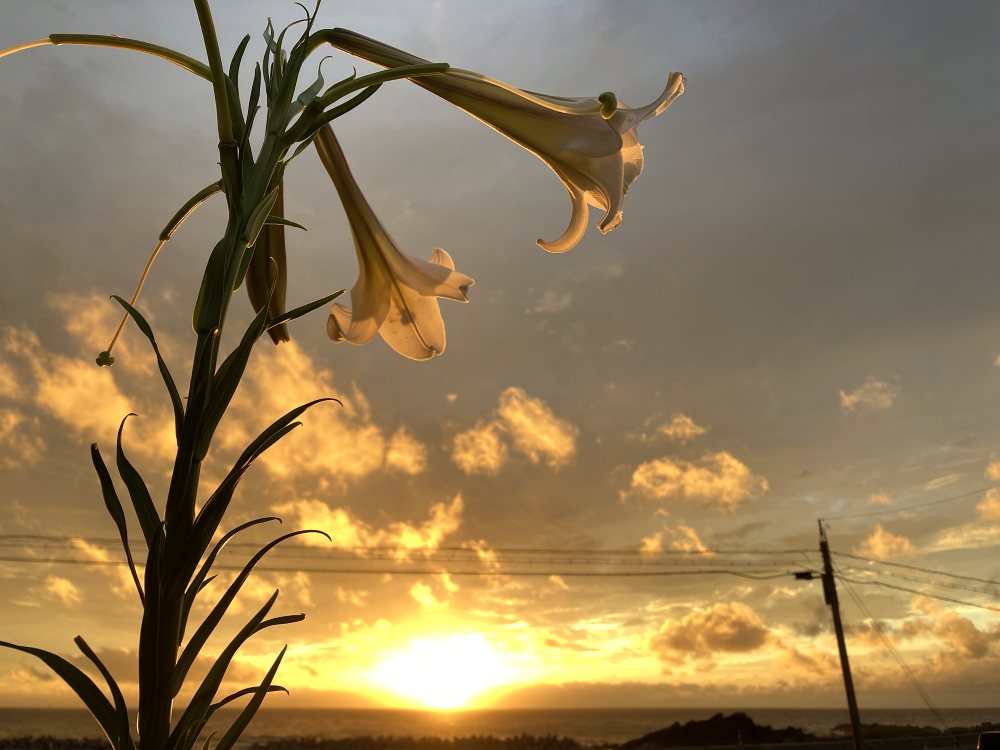
In late September, spider lilies begin to bloom along the rice paddy paths. As you walk along the paths, the contrast between the flowers and the rice plants is dazzling to the eye.
"For flowers, go to Yoshino; for autumn leaves, go to Tatsuta; for Bon dances, go to Kuroshima."
As if the time had finally come, I put on the kimono, white tabi socks, and paulownia wood clogs and went out on the night of the Kuroshima Tenryo Festival.
When I arrived in front of the museum, where the portable shrine and two floats were lined up after the evening festival had ended, I saw a crowd of people dressed in yukata with a wave pattern. In the dim light of the lanterns, residents, visitors returning home for the holidays, people involved with Kuroshima, students... all sorts of people had formed a circle and started dancing the Bon Odori, and I jumped in as well.
The Yachoi dance is performed to the Yachiyo-e song, a tradition passed down in Kuroshima. The circle of dancers moves slowly clockwise, turning their palms like white waves crashing on the open sea and moving the front teeth of their geta sandals back and forth as if digging into the ground.
As I reflected on the scenery, history, and culture of this region depicted in the Yachiyo Sakae song, hummed along to the melody, and danced as if simply drifting with the flow of time, I suddenly felt tears welling up in my eyes as I thought, "I wonder if my grandmother wished for a day like this to come, with me here wearing this yukata..."
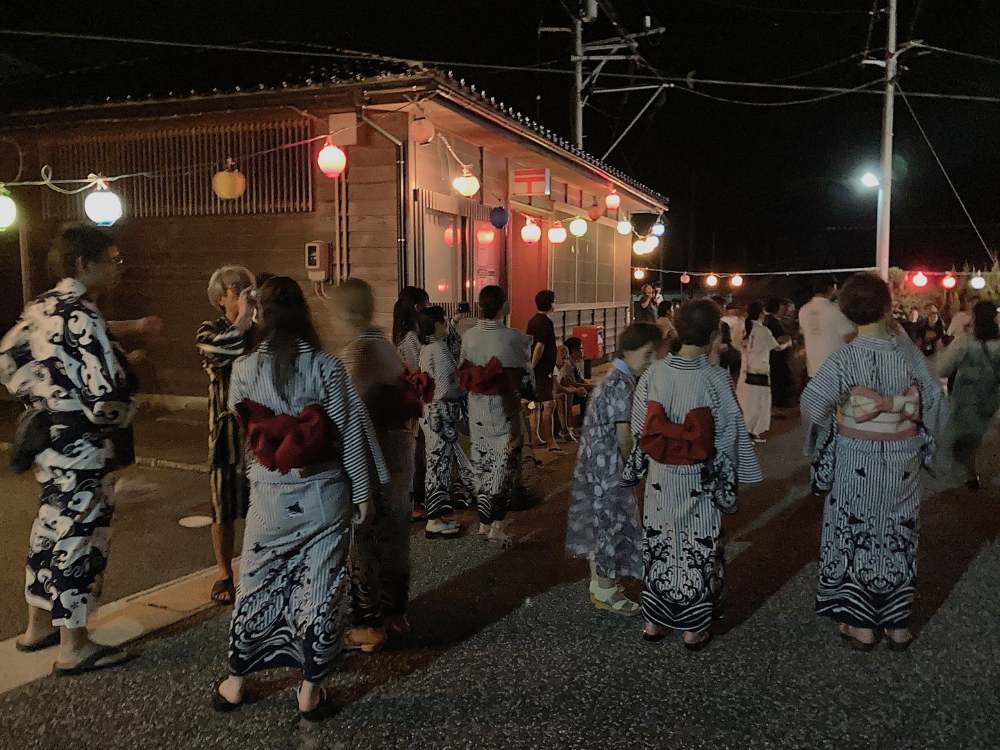
Men and women of all ages, dressed in yukata with a wave pattern, gather together and the Yachoi dance begins!
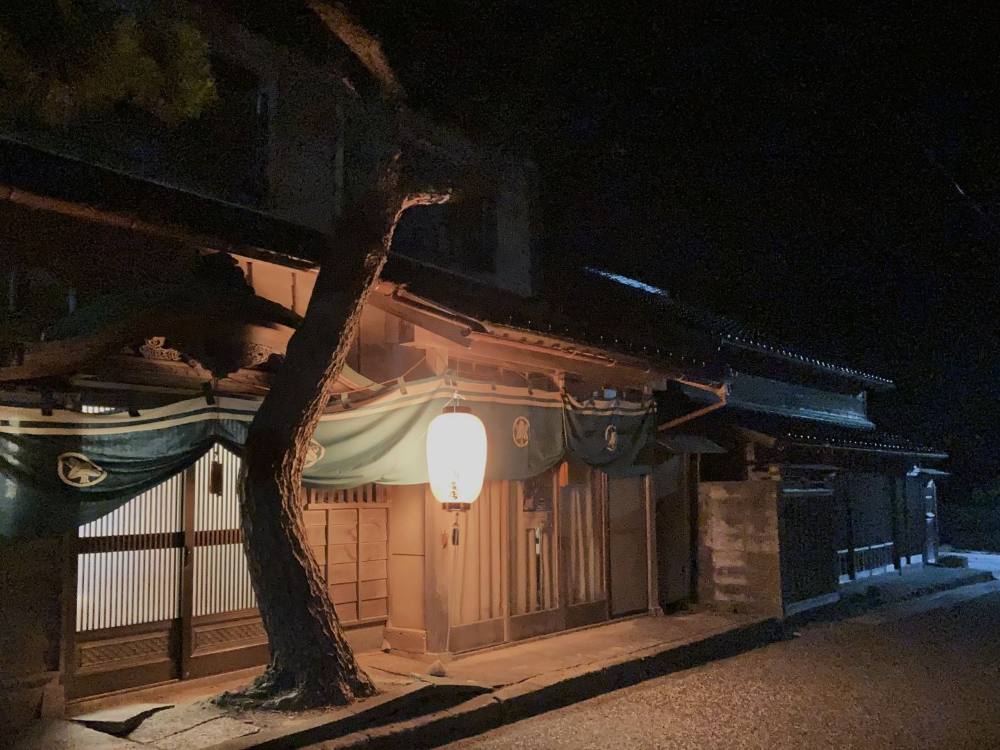
In preparation for the Tenryo Festival, curtains are hung from the eaves of the houses. On the night of August 17th, lanterns are lit, and the old, charming townscape is softly illuminated.
If I told my grandmother about this town, where a simple beauty permeates the lives of the people living there today, I'm sure she would be delighted and reply, "I want to go there too!"
As the dance circle went around and around, I gradually let go of the everyday struggles and swirling emotions, and a light was kindled in my heart as I nurtured the calm and warm feelings that my grandmother cherished during her lifetime, and resolved to forge my own path.
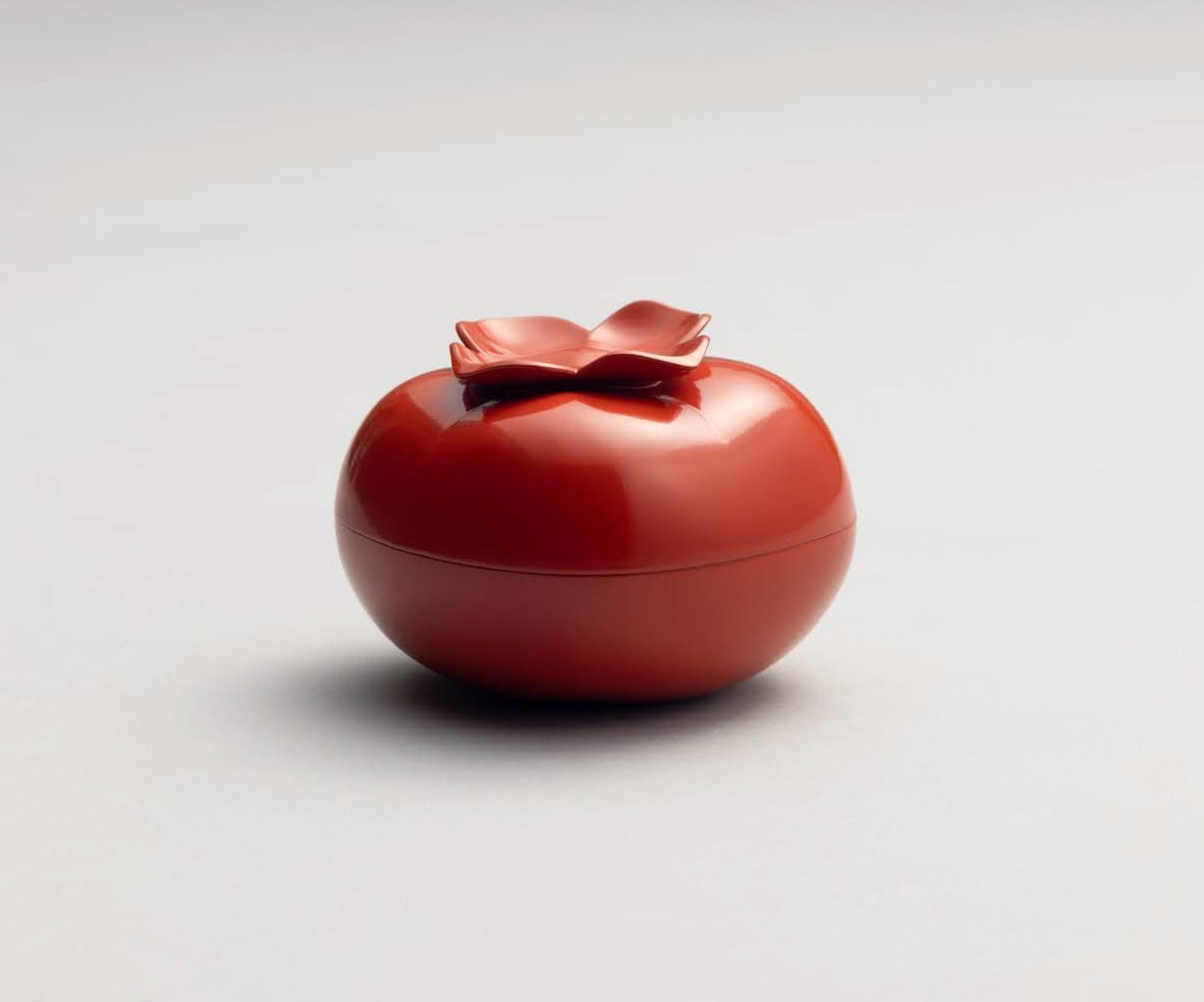
photography by Kuninobu Akutsu
Yukiko Akiyama
Born in Kanagawa Prefecture. She graduated from Joshibi University of Art and Design High School. She graduated from Joshibi University of Art and Design, majoring in dyeing. In her high school class, she came across ``The Story of Urushi'' by the late Living National Treasure lacquer artist Gonroku Matsuda, which led her to decide to pursue a career in lacquer. After graduating from university, she moved to Wajima City, Ishikawa Prefecture to train in lacquer painting. She graduated from the Ishikawa Prefectural Wajima Lacquer Art Training Institute. She graduated from the Ishikawa Prefectural Wajima Lacquer Art Training Institute, Department of Lacquer. She became an apprentice to Living National Treasure Kunie Komori and became independent at the end of the year. She encountered the January 1st earthquake just as she was setting up her Takaura lacquer workshop in the Kuroshima district of Wajima City.
Related Links
“Wajima News ~While looking up at the starry sky~” is…
Yukiko Akiyama, a lacquer artist who lives in Wajima, writes ``Wajima News ~While looking up at the starry sky~''. 30 minutes by car from the center of Wajima City. The Kuroshima area, located in the northwestern part of the Noto Peninsula, flourished as a residence for Kitamae-bune ship owners and sailors, and its beautiful landscape with black-tiled roofs has been designated as a nationally important preservation district for groups of traditional buildings. I did. After 16 years in Wajima, lacquer artist Yukiko Akiyama set up a workshop in an old private house in the Kuroshima district, and was just about to work on her work while restoring it, when she was struck by the earthquake. Like many buildings, Akiyama's workshop collapsed. Although there is no prospect of resuming production in her workshop, she will continue to work with lacquer here, and while working on the town development of Kuroshima, she will aim to rebuild the Noto Peninsula and solidify her resolve to start a new life. I am. The rich lifestyle of Kuroshima in the past, the beautiful nature, the interaction with people, the passion for lacquer, and the current situation of the disaster area... She is a woman who lives her daily life in the disaster-stricken area and strives for reconstruction, but at the same time, she depicts the true image of Noto as depicted by a woman who deals seriously with lacquer.
Lounge
Premium Salon
News from Wajima ~While looking up at the starry sky~...




Premium Salon